Blog · Culture & Recaps
Why the 30-Plus Crowd Is Reshaping NYC Nightlife
NYC’s 30-plus crowd still wants a full dance floor—just with better pacing, thoughtful plans, and music that makes the trip worthwhile.
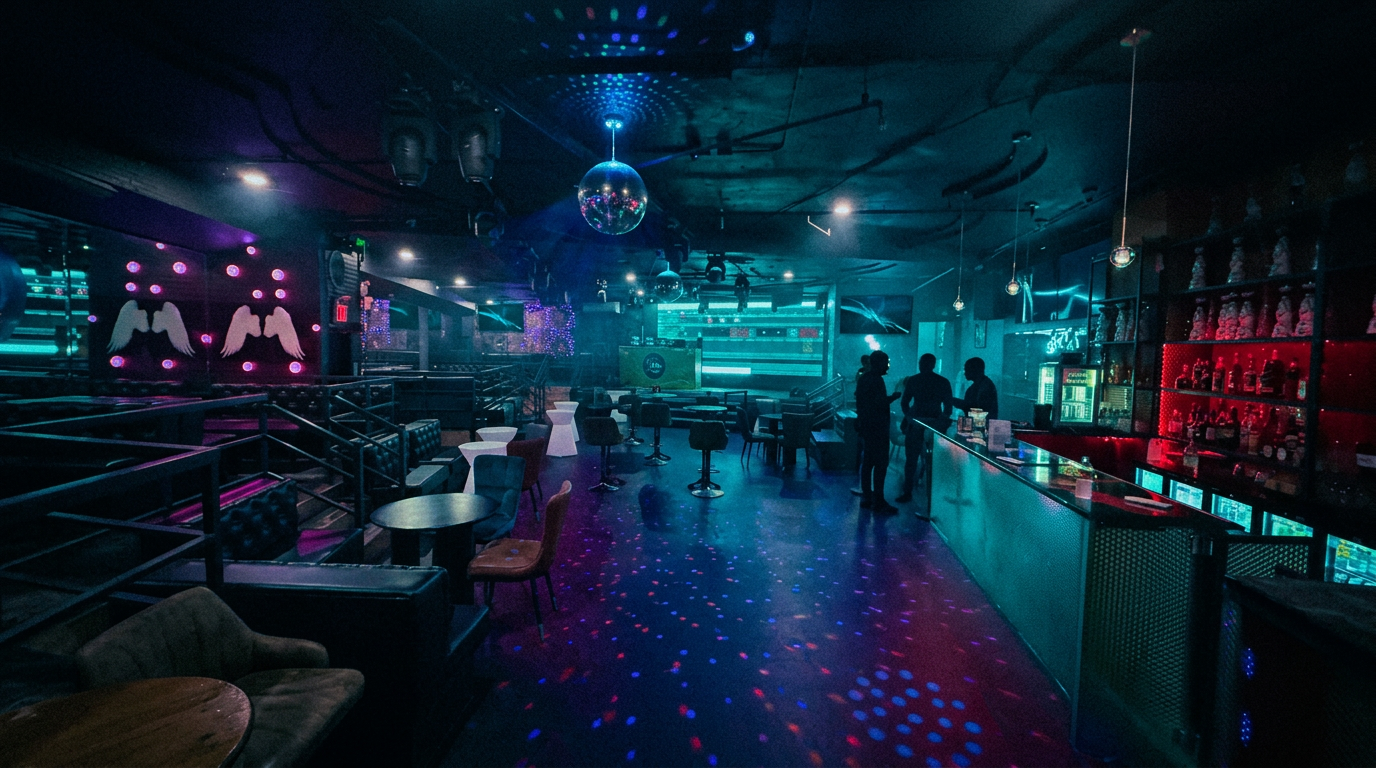
At some point, the group chat changes. “Where is everybody going?” becomes “What’s the music like?” Someone wants to know whether the trip back to Brooklyn will be manageable. Someone else is happy to stay out late, provided the night delivers more than a long line and a room where nobody dances. The desire to go out hasn’t disappeared. The standards have gotten clearer.
That shift helps explain why the 30-plus crowd is reshaping NYC nightlife. It isn’t about declaring one generation better at having fun. It’s about people who know what moves them—and who want the planning, atmosphere, and social energy to support that feeling. Within Latin nightlife NYC, that can mean a night built around musical range, real dancing, and the pleasure of being out without having to prove anything.
Growing up doesn’t mean retiring from the dance floor
There’s a tired idea that nightlife belongs to your twenties, and that every birthday afterward should push you closer to a permanent dinner reservation. Anyone who has watched a familiar salsa record pull a whole group away from their conversation knows how incomplete that picture is.
For many people over 30, going out becomes more intentional. There may be a sitter to arrange, a Saturday shift to finish, or a Sunday morning that cannot be completely sacrificed. Those considerations don’t make someone less enthusiastic. They make a disappointing night more expensive in ways that have nothing to do with the ticket.
Grown Latin nightlife answers a straightforward wish: let the night be worth the effort. Give people a reason to get dressed, cross a borough, and put their phones away. A crowd can want an upscale atmosphere and still want to sweat through the chorus. Those aren’t opposing ideas.
Familiar music creates room for something new
Old school reggaeton has a particular power in a room of people who remember where they first heard it. A track can bring back a college party, a car ride, or an apartment kitchen where everyone somehow ended up dancing. Recognition makes it easier to stop observing the party and become part of it.
But a grown crowd doesn’t have to live inside a throwback playlist. Afro house can offer a different pulse. Bachata changes the distance between dancers. Salsa and merengue ask the room to move differently again. Latin classics can connect people whose personal musical timelines don’t match exactly.
Latin After Dark NYC describes its grown, upscale experience for a 30-plus crowd through that range: old school reggaeton, afro house, bachata, salsa, merengue, and Latin classics. The appeal isn’t simply variety. It’s the possibility of a night with different emotional gears rather than one unchanging level of intensity.
For someone searching “latin culture nyc nightlife,” that distinction matters. Culture isn’t just a theme on a flyer. It lives in how people recognize a rhythm, share space, and bring their own memories into the room.
The room matters as much as the playlist
A good night begins before the first song you love. It starts with whether your friends can understand the plan, whether event information is clear, and whether arriving feels manageable rather than like another task to negotiate.
The 30-plus perspective puts useful pressure on the whole experience. “Upscale” should mean more than an outfit requirement or a photo opportunity. From a guest’s point of view, it can mean considerate interactions, clear communication, and an atmosphere where dressing up feels enjoyable rather than compulsory theater.
That doesn’t mean every party will offer seats, coat check, or the same entry arrangements. Those are details to verify, not assume. If a particular accommodation determines whether you can attend comfortably, ask before buying a ticket.
It also helps to separate preferences from guarantees. A VIP list is something to investigate, not automatic proof of faster entry, reserved space, or any other benefit. Read the terms associated with the event so the night you expect matches the one you’re actually planning.
Astoria makes Queens part of the plan
New York nightlife conversations can default to Manhattan or Brooklyn even when the people making those plans live in Queens. Choosing Astoria changes that geography. For some friends, it means staying closer to home. For others, it creates a reason to spend a Saturday evening in a neighborhood they usually visit only for dinner.
Astoria is served by the N and W along the elevated line, but a neighborhood name is not a transit itinerary. Check which service is actually running on your event date, especially on a weekend. Don’t build a Saturday journey around the W without checking the MTA schedule. Confirm the venue’s exact location before choosing your stop or estimating the walk.
If you’re coming from elsewhere in Queens, look at the full route rather than assuming a borough-to-borough trip will be quick. From Brooklyn, pay attention to transfers and the late-night return. A route that looks simple at dinner time can feel very different after dancing.
Searching “latin party queens ny” is a useful starting point. The next step is checking the event details and making the trip concrete.
Better timing leaves more energy for dancing
A grown night out doesn’t necessarily end early. It simply doesn’t need to waste the hours before it gets good. Decide whether dinner is part of the outing, whether everybody is meeting outside, and what happens if someone runs late.
Avoid building the whole evening around an imaginary peak hour. Without a published schedule, nobody can promise when a particular genre will play or when the floor will fill. Check the actual event listing for start times and entry conditions, then choose an arrival plan that gives you room to settle in.
A few small decisions can save the group chat from becoming a second job:
- Share the ticket link and confirmed location in one message.
- Agree on a meeting time, with a realistic buffer for transit.
- Eat beforehand and make water part of the evening.
- Wear shoes you can dance in, not just stand in for a picture.
- Check the return journey before leaving home.
- Let friends know if you’re heading out separately.
The point isn’t to schedule every moment. It’s to handle enough logistics that you can forget about logistics once you arrive.
Confidence looks like good dance-floor manners
The most attractive thing about an experienced crowd may be how little needs to be forced. You can invite someone to dance without turning the invitation into a test. You can say no without explaining your whole evening. You can take a break without announcing that you’re getting old.
For partner dancing, ask rather than grab. A yes to one song isn’t permission for more contact than someone wants, and it isn’t a commitment to spend the night together. Keep movements suited to the available space; a crowded floor is not the place to surprise a partner with a dip.
During reggaeton or a packed merengue moment, awareness still matters. Leave room for people to move through, keep drinks away from shoulders and elbows, and don’t assume everyone nearby wants to appear in your video.
These habits make a room warmer for newcomers as well as regular dancers. You don’t need advanced footwork to belong. Paying attention to the people around you is a much better starting point.
A party can become a community without becoming a clique
One great Saturday is fun. Having a place you want to return to offers something else: continuity. Familiar faces make it easier to arrive with one friend instead of eight, or to go out even when the usual group can’t coordinate.
That feeling works best when regulars remain open to new people. Introduce the friend who came alone. Make space in the conversation. Avoid treating musical knowledge or dance experience as an entrance exam.
For readers looking for a “latin party new york city,” the lasting question is less about finding the most impressive flyer and more about finding a setting they want to revisit. Mailing lists can help people follow future dates without constantly searching. Referral links through a promoter program offer another way to share events, though anyone sharing one should be clear about the relationship.
Community starts with returning, but it grows through how people welcome each other.
Make a plan for an upcoming Saturday
The next Latin After Dark event is DOLLHOUSE, Saturday October 3, at The Zone NYC in Astoria, Queens. [Find tickets and check the event details](/events/dollhouse-october-3) before organizing your evening.
Pick the friend who always dances, sort out the trip, and give yourself a Saturday with somewhere to go. Growing up doesn’t have to mean going out less. It can mean knowing what you’re going out for.