Blog · Culture & Recaps
What 'Grown Latin Nightlife' Really Means
Grown Latin nightlife is about good music, mutual respect, and a NYC dance floor where you can enjoy the night at your own pace.
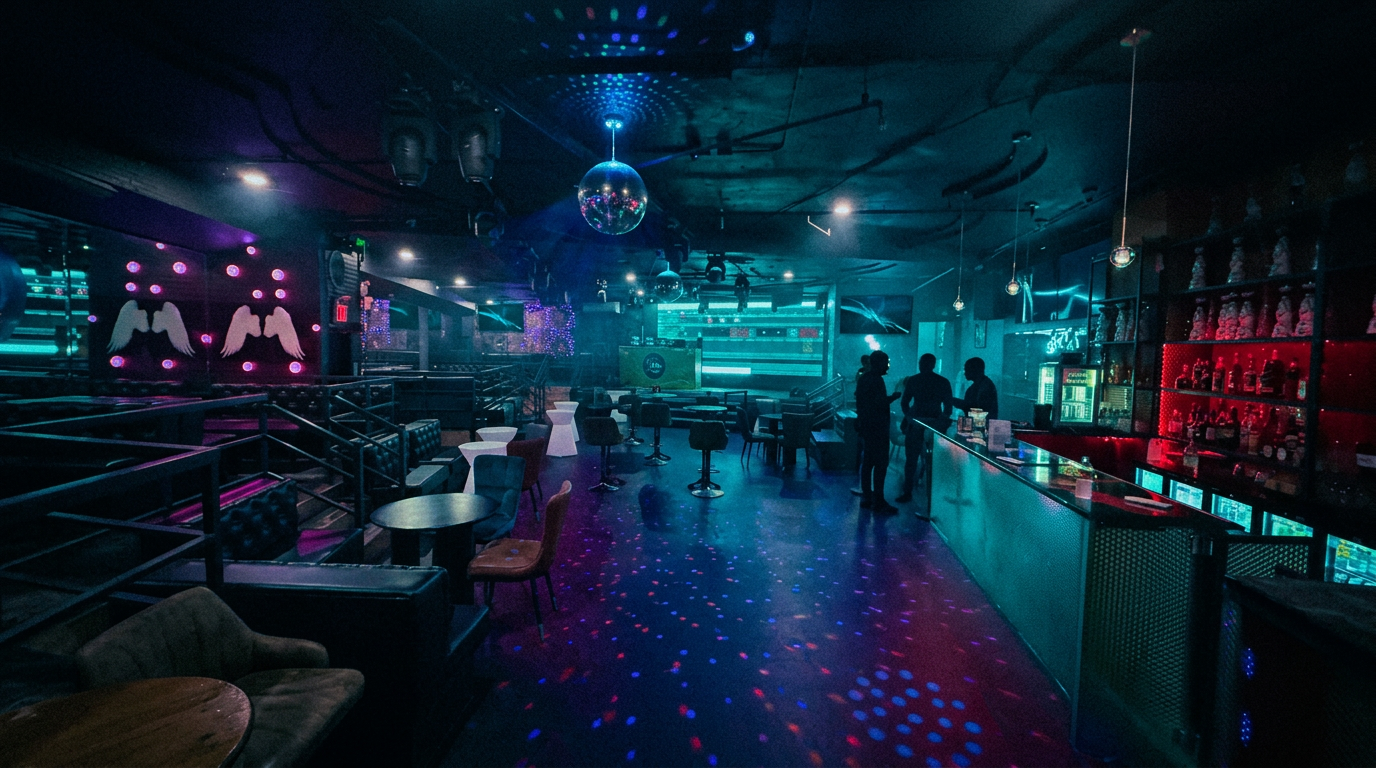
You can love a loud chorus and still want a conversation that does not feel like a shouting contest. You can dance through several songs, take a water break, and come back when the opening notes of a favorite hit. Wanting those things does not mean you have outgrown nightlife. It means you know what makes a night worth leaving home for.
That is the starting point for understanding what 'grown Latin nightlife' really means. It is less about proving you can stay out late and more about choosing the music, company, and atmosphere you actually enjoy. In New York City, where going out might involve a train transfer, a babysitter, or a Sunday morning commitment, that distinction matters.
Grown Is an Approach, Not a Personality Test
A 30+ crowd is part of the idea, but age alone cannot create a good room. Grown Latin nightlife is also about how people share the space: giving someone room to dance, accepting a declined invitation, and not treating every interaction as a competition for attention.
It does not require a particular relationship status, income, or level of dance experience. You might arrive with your partner, meet friends you have known since college, or come alone because nobody else could commit. None of those arrangements makes you more or less suited to the night.
Nor does grown mean quiet or restrained. An old school reggaeton stretch can get a big reaction from people who have work calendars and early alarms. The difference is that having fun does not have to come at somebody else's expense. You can be enthusiastic without being entitled to another person's time, body, or attention.
The Music Gives Different Parts of You a Turn
A Latin night does not need to stay in one musical lane to feel coherent. Old school reggaeton brings recognition and release. Bachata invites a different kind of attention to rhythm and partnership. Salsa and merengue can pull people into motion, while afro house changes the pulse without requiring everyone to leave the floor.
Latin classics carry their own associations. A song might remind one person of a family gathering and another of a car ride through the Bronx. Those memories are personal, not universal, but they help explain why the same chorus can make strangers smile at each other.
Latin After Dark NYC describes its grown, upscale experience for a 30+ crowd through that range: old school reggaeton, afro house, bachata, salsa, merengue, and Latin classics. That mix gives people more than one way to participate.
You do not have to know every song or dance every style. Sometimes you lead, sometimes you learn, and sometimes you stand with your friends and sing the part you remember. A satisfying night leaves room for all three.
Upscale Should Feel Intentional, Not Intimidating
The useful version of upscale is about care, not a contest over labels. For a guest, that can mean putting thought into an outfit, planning your arrival, and treating staff and other dancers well. A polished look and an easy attitude work better together than expensive clothes and impatience.
Dress for the night you want to have. If dancing is the point, choose shoes you can move in and clothing that lets you raise your arms, turn, and sit comfortably. New shoes may look excellent in the mirror and become a very different proposition after a train ride and several merengues.
Always check the actual event information before deciding what to wear or bring. Do not assume that “upscale” tells you the dress code, bag policy, seating arrangements, or entry requirements. Those are practical details to confirm, not promises hidden inside an adjective.
The aim is to feel put together enough that you can stop thinking about your outfit once the music starts.
Latin Culture in NYC Nightlife Is Not One Story
Any conversation about Latin culture, NYC nightlife, and who belongs on the dance floor needs room for difference. New Yorkers bring distinct family histories, musical tastes, languages, and relationships to the city. No playlist can represent all of that completely, and no guest should have to represent an entire culture.
You might know salsa from family parties but feel new to dancing it with a partner. Your friend might recognize every reggaeton intro and prefer watching during bachata. Someone else may be discovering the music through friends. Curiosity and respect matter more than passing an imaginary authenticity test.
Neighborhoods shape the outing, too. Astoria, Jackson Heights, Washington Heights, and the Lower East Side each put a night out in a different street-level context. The trip, the people you meet beforehand, and the journey home become part of the memory.
The best way to approach Latin nightlife NYC is not as a single uniform scene. Think of it as many rooms and communities, with different musical emphases. Choose an event that matches what you want rather than expecting every Latin party to deliver the same night.
Make the Queens Logistics Part of the Plan
If you are searching “latin party queens ny,” look beyond the borough name. Queens is large, and being in the same borough does not necessarily mean a simple journey. Start with the event's confirmed location, then map the route from wherever you will actually be that evening.
For Astoria, the N and W are familiar subway references, but scheduled W service generally does not run on weekends. Check current MTA service and the exact venue location before relying on a particular station. Saturday maintenance can make an otherwise familiar trip feel unfamiliar.
A little coordination keeps the group chat from becoming the main event:
- Check the event page for listed hours, ticket details, and entry information before leaving.
- Agree on a meeting time and place rather than saying, “See you somewhere inside.”
- Build in travel time for transfers and possible weekend service changes.
- Decide whether you want food beforehand instead of making that decision hungry on the sidewalk.
- Keep enough phone battery for your ticket, directions, and the trip home.
- Plan your return route, including an alternative if transit changes.
Practical preparation is not the opposite of spontaneity. It clears away the distractions that can keep you from enjoying it.
A Good Dance Floor Runs on Small Courtesies
Most dance-floor etiquette is simple: notice other people. Before stepping backward, check the space. Keep drinks away from moving partners. If the floor is crowded, shorten your steps instead of trying to complete the biggest turn you know.
Ask before pulling someone into a partner dance. A smile or a brief invitation is enough; a refusal does not need an explanation. Accept it graciously and move on. Agreeing to one song is not an agreement to the next, and dancing close is never automatic permission for more contact.
If you are the more experienced dancer, match the person in front of you. This is a social night, not an unsolicited lesson. If you are newer, it is fine to say so and keep things basic. Listening to the music together usually feels better than forcing a complicated move.
Phones deserve some judgment, too. Take your group photo, but ask before posting a close-up of someone else. People should be able to enjoy a Saturday without becoming background content for a stranger.
Judge the Night by How It Felt
Searching for a “latin party new york city” can produce plenty of options without answering the question that matters: will this suit your kind of fun? Start with the stated crowd and musical direction, then consider the travel and how you want to spend your evening.
Maybe you want several uninterrupted songs with your partner. Maybe you want a reunion with friends who rarely get the same Saturday free. You might simply want to hear music you love somewhere other than your apartment.
A grown night can include dancing hard, drinking alcohol, choosing not to drink, leaving early, or staying later than planned. None of those choices needs a defense. The measure is whether you enjoyed yourself, respected the people around you, and got home safely—not whether you stayed until the last possible minute.
Make an Upcoming Saturday Yours
For an upcoming Saturday, consider DOLLHOUSE from Latin After Dark: Saturday, October 3, at The Zone NYC in Astoria, Queens. You can find tickets on the [DOLLHOUSE event page](/events/dollhouse-october-3).
Check the posted details, make a plan with your people, and leave room for the songs that bring you back to the floor. Grown does not mean the fun is behind you. It means you get to choose how you enjoy it.