Blog · Culture & Recaps
What Dancers Wish Clubs Understood About the Dance Floor
Good music matters, but dancers also need room, thoughtful pacing, and a floor that feels welcoming. Here’s what NYC clubs should understand.
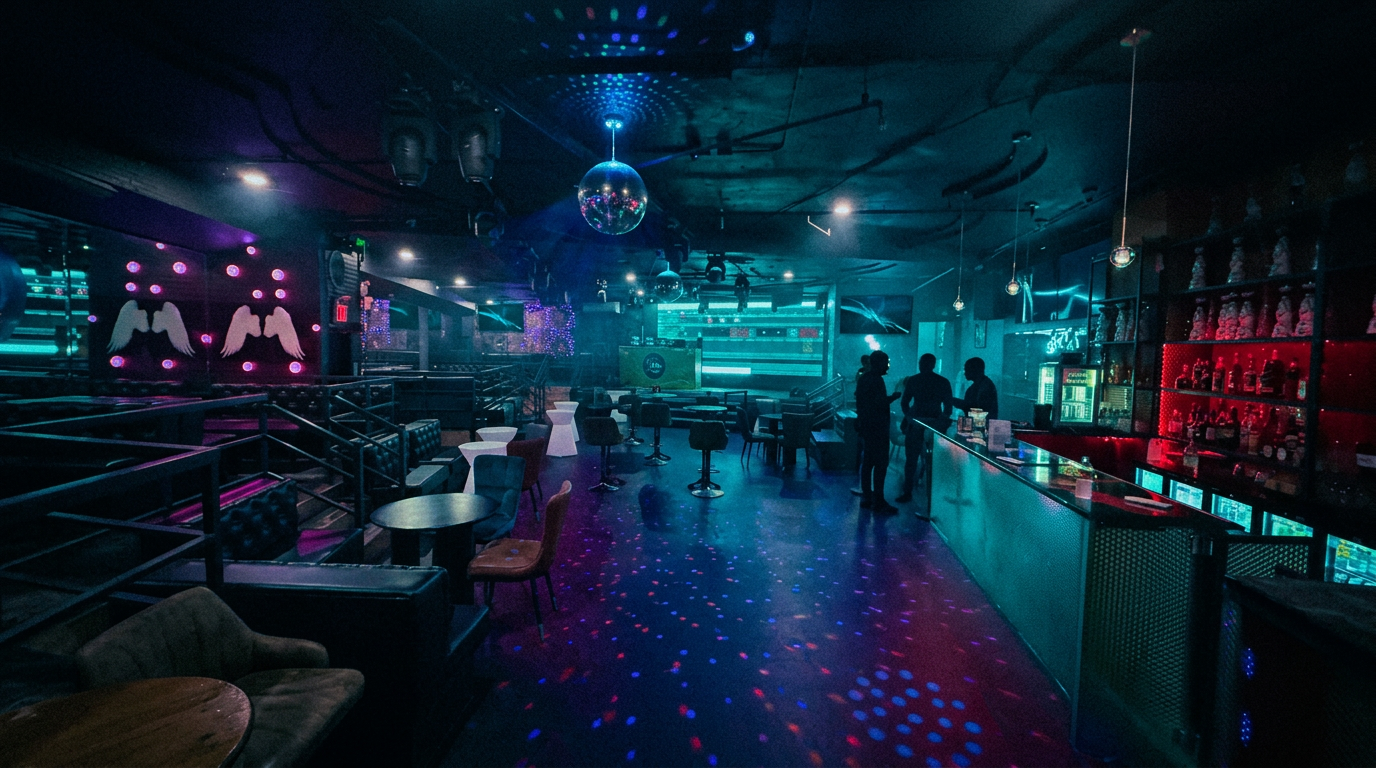
You can tell when a room was planned around dancing and when dancing was treated as something that might happen between bottle deliveries. In one, people settle into the music, find their footing, and stay for another song. In the other, everyone keeps apologizing, protecting their drinks, or searching for a patch of floor that isn’t a hallway.
That difference is at the heart of what dancers wish clubs understood about the dance floor. A beautiful room and a strong playlist can get people through the door. What makes them dance is more practical: usable space, thoughtful sound, clear expectations, and enough care that they can stop managing the room and enjoy being in it.
The dance floor is not leftover space
A dance floor needs to function as a destination, not the only route to the bar, bathroom, or exit. When every trip across a venue cuts through couples dancing bachata, nobody gets to relax. Dancers become traffic controllers, and people simply trying to order water feel like they’re interrupting a performance.
Different music also asks different things of a room. A compact reggaeton groove doesn’t use space the same way a salsa turn does. Merengue can bring a group together quickly, but that group still needs somewhere to stand without blocking everyone else. Clubs don’t need to mark lanes. They do need to notice how people actually move.
The most useful floor isn’t necessarily the largest. It’s the one with fewer surprise obstacles, a surface that isn’t sticky or slick, and a perimeter where someone can pause without being shoved back into motion. A spilled drink deserves attention before it becomes somebody’s twisted ankle.
Give the music somewhere to go
Dancers appreciate a DJ who understands momentum rather than simply recognizing familiar titles. A Latin classic can light up a room, but playing every biggest chorus back-to-back can flatten the night into one long peak. Without contrast, even excellent songs start competing with each other.
Transitions matter physically. Someone dancing salsa is listening for phrasing and preparing their next movement. Cutting away without giving the song a satisfying landing can feel like having a sentence interrupted. That doesn’t mean every track must play in full. It means the person selecting the music should remember that bodies are following it.
A night moving among old school reggaeton, afro house, bachata, salsa, and merengue can have real range. The key is making those changes feel intentional. Give a rhythm enough room for people to join, settle, and connect before asking them to start over.
In latin nightlife nyc, musical variety can welcome different generations and styles. It works best when the room feels invited along, not tested on how quickly it can adjust.
Grown nightlife means care, not stiffness
A 30+ crowd doesn’t necessarily want a quiet night or an early finish. Plenty of people want to dance hard, sing loudly, and stay for the next favorite. They may simply be less willing to accept unnecessary discomfort as the price of going out.
For grown latin nightlife, polish should show up in the basics: a clear entry process, respectful staff interactions, somewhere to take a breather, and information that doesn’t require detective work. An upscale atmosphere means little if guests spend half the evening confused about where they’re allowed to stand.
Latin After Dark NYC describes its experience as grown and upscale for a 30+ crowd. That makes this conversation especially relevant: sophistication and a lively dance floor should support each other. People can dress thoughtfully and still want to sweat through a merengue.
Comfort matters, too. Guests should check any published dress guidance, then choose footwear they can actually move in. An outfit that feels great while standing at home may feel different after two hours on your feet.
Etiquette should make participation easier
The best floor etiquette isn’t about making everyone dance formally. It’s about letting people share limited space without fear, pressure, or unnecessary collisions. Experienced dancers have a role here, but the venue sets the tone.
A few expectations make a meaningful difference:
- Ask before starting a partnered dance, and accept a no without demanding a reason.
- Keep turns and arm movements compact when the floor gets crowded.
- Don’t attempt lifts, deep dips, or showy moves near people who haven’t agreed to that risk.
- Move conversations and full drinks toward the edge when possible.
- Apologize after accidental contact and adjust, rather than insisting you had the right of way.
- Give beginners room to learn without turning an unsolicited lesson into the price of a dance.
Consent continues after the first yes. Agreeing to bachata isn’t agreeing to close contact, filming, or another song. If a partner creates more distance, respect it. A floor feels welcoming when people know they can participate on their own terms and step away just as easily.
Sound and lighting are dance-floor infrastructure
Dancers need to hear the rhythm clearly. Louder isn’t automatically better, especially when the sound turns muddy and the percussion disappears beneath the bass. If people can’t follow the musical details, they often compensate with bigger, less controlled movement or give up on partnered dancing altogether.
Lighting deserves similar attention. A room can feel intimate without making it impossible to see a wet patch, a step, or someone’s foot. Constant flashes may look exciting in a short video while making an actual evening harder for some guests to enjoy.
Then there’s temperature. A room that feels comfortable before people arrive may feel very different once the floor fills. Airflow, access to water, and space to cool down are part of the experience, not unrelated amenities.
Guests can plan for themselves by bringing hearing protection and taking breaks. But personal preparation shouldn’t excuse a room that ignores the physical reality of dancing. The goal is to leave happily tired, not exhausted from fighting the environment.
The neighborhood is part of the night
A latin party new york city search can take you across several boroughs, but the travel plan changes the evening. Astoria, Jackson Heights, Washington Heights, and the Lower East Side aren’t interchangeable pins on a map. Where your friends live, how they’re getting home, and whether they’re coming straight from work all affect the plan.
For Astoria, the N and W are useful lines to investigate, but don’t assume both operate at your travel time. Check the MTA’s current weekend service and the venue’s confirmed location before choosing a station. Don’t treat a neighborhood name as walking directions.
If you’re searching for a latin party queens ny, share the actual event page with your group rather than a cropped flyer. Confirm the date, published start time, entry requirements, and return route. Agree on a meeting time instead of sending “almost there” messages from three different trains.
Arriving near the advertised opening can give you time to get oriented before the room gets busy. It doesn’t guarantee an immediately packed floor. Give the night room to develop, and check the last leg of your trip home before your phone battery gets low.
Culture lives in how people share the room
The phrase latin culture nyc nightlife covers more than a genre list. It includes the friend who recognizes a song from family parties, the person learning salsa after years of only watching, and the group that switches from partnered dancing to singing together without treating either as less legitimate.
Not everyone arrives with the same background or confidence. Some people know every lyric; others are discovering a rhythm. A welcoming floor doesn’t require anyone to prove that they belong before they can enjoy it.
Clubs can support that feeling by protecting participation rather than turning the floor into a permanent photo set. Guests can help by keeping cameras out of strangers’ faces and asking before posting a close-up. The night should be worth attending even if nobody records it.
Make the next Saturday a dancing night
Bring a friend who actually wants to dance, wear something you can move in, and leave room for a song you didn’t expect to love.
Latin After Dark’s next event is DOLLHOUSE, Saturday October 3, at The Zone NYC in Astoria, Queens. Find [tickets and event information](/events/dollhouse-october-3), confirm your travel plans, and make that upcoming Saturday a night for the dance floor.