
Blog · Planning & Tips
VIP Table Service in NYC: What You Actually Get for the Price
What NYC VIP tables really include, which charges to clarify, and how to plan a Latin club night that feels worth the spend.
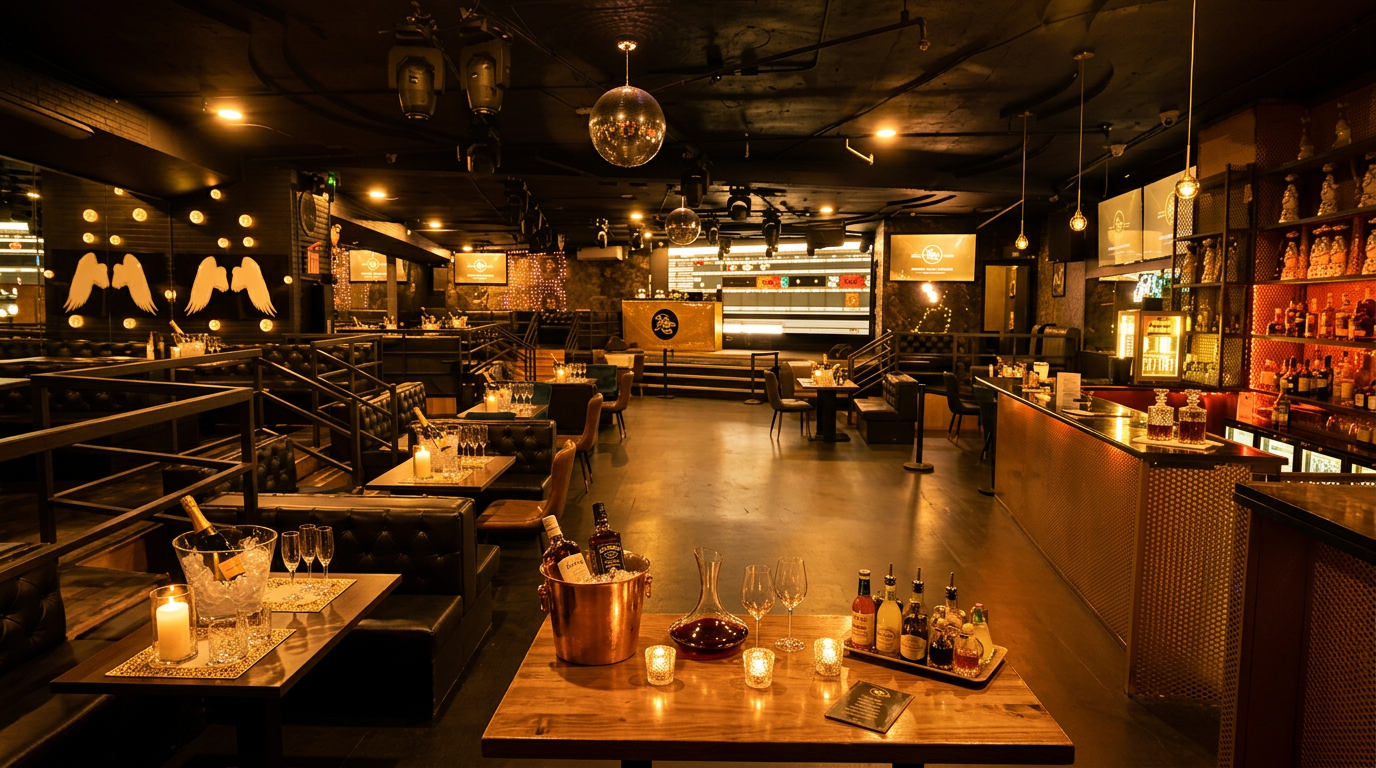
A VIP table can make a New York night out feel beautifully simple: your group has a home base, nobody has to guard an abandoned jacket, and there’s somewhere to regroup after three songs turn into ten. But the word “VIP” can also hide a lot of unanswered questions. Is admission included? Is the quoted amount your final bill? Will everyone actually have a seat?
If you’re comparing vip table service in nyc, start with what the reservation solves for your group—not how impressive it looks online. For a Latin dance night, the best table is often the one that supports the dancing rather than replacing it. Here’s how to understand the offer, ask useful questions, and decide whether the upgrade fits your Saturday.
What you’re actually reserving
In many nightlife settings, table service means reserving a designated area with a beverage purchase requirement and service attached to it. That’s a general model, not a promise about any particular event. Seating, admission, mixers, and arrival privileges can vary.
Think of the purchase as three separate things: space, service, and whatever food or beverages the package specifies. Ask for each part in writing. A table described as suitable for eight guests might not provide eight individual seats; capacity and comfortable seating are different questions.
Placement matters, too. A table beside a busy dance floor offers a different experience from one farther from the speakers. Ask whether you’re choosing an exact location, a section, or simply a table category assigned on arrival.
And remember that a VIP list is not automatically a table reservation. A list signup, ticket purchase, and paid table booking may be separate arrangements. Don’t assume one completes the others.
Read the quote as a starting point, not a total
The most important distinction is between a minimum spend and an all-inclusive package. A minimum generally means your group must purchase a specified amount of eligible items. A package describes particular inclusions. Neither phrase, on its own, tells you what the final charge will be.
Before anyone sends money, request an itemized explanation:
- Is the amount a minimum spend, a package price, or a reservation fee?
- Does the deposit count toward the final bill?
- Are admission tickets included, and for how many people?
- Are taxes, service charges, administrative fees, and gratuity included or additional?
- Which beverages and mixers qualify, and what costs extra?
- What happens if the group arrives late, shrinks, or cancels?
- Can the bill be split, and whose card must be presented?
Ask what any service charge covers and whether gratuity is separate. Labels alone don’t answer that question.
Then calculate the per-person commitment using confirmed guests, not the optimistic group chat count. If the total only feels comfortable when every tentative friend attends, you don’t yet have a comfortable budget. Decide in advance who covers extras and whether additional orders require the organizer’s approval.
Match the table to the way your group goes out
A good table decision begins with an honest group portrait. Are you arriving together and staying for most of the night? Does someone need regular breaks from standing? Are friends traveling from different boroughs and likely to appear in waves?
For a birthday, a reserved gathering point can keep the evening from becoming a string of “where are you?” texts. If you’re searching “birthday party nyc latin club,” clarify the birthday logistics separately from the bottle-service details. Ask about cake policies, decorations, outside items, and any presentation you’re considering. None should be assumed to come with the reservation.
For two people who expect to dance constantly, ordinary admission may be the better fit. For a larger group that values a reliable place to reconnect, a table may earn its keep even when nobody spends long sitting down.
The question behind “vip table nyc latin club” isn’t necessarily where to look important. It’s where your group can settle in without losing the energy that brought you out.
Leave room for the music, not just the bottles
Latin nightlife NYC is not one uniform experience. Some nights lean toward nonstop partner dancing; others move between club rhythms, familiar choruses, and tracks that send the entire group toward the floor. Your table should suit the kind of night you want.
Latin After Dark NYC is a grown, upscale Latin nightlife experience for a 30+ crowd, with old school reggaeton, afro house, bachata, salsa, merengue, and Latin classics. That mix gives you a reason to think beyond the reservation itself: you’re planning for movement, different tempos, and songs you’ll want to share with friends.
Imagine returning from a salsa, catching your breath, then hearing an old school reggaeton track you can’t sit through. A useful table supports that rhythm. It doesn’t turn the night into an obligation to stay seated because you paid for the space.
Ask about proximity to the dance floor and speaker placement when booking. If conversation matters, say so—but don’t expect a quiet lounge atmosphere inside a dance event.
Dress for the room and the trip there
Searching “latin club dress code nyc” can produce advice that sounds universal. It isn’t. The organizer’s current rules should guide your outfit, especially around sneakers, hats, athletic wear, and other potentially restricted items. An upscale description is not a complete written dress code.
Choose a polished outfit you can actually dance in. Test shoes at home on turns and side steps, not just in front of a mirror. A sole that grips too aggressively can make pivoting uncomfortable; unfamiliar shoes can turn the walk from the subway into the hardest part of the evening.
Plan your outerwear and bag, too. Ask whether coat check is available and whether it has a separate charge. Table space should not be treated as unlimited storage.
Bring the identification required by the event and confirm admission requirements before leaving. Paying for a table does not mean ordinary entry rules disappear. Share those rules with every guest rather than assuming the organizer’s preparation covers everyone.
Build an arrival plan that survives New York
Neighborhood matters as much as the reservation. A group leaving Manhattan, Brooklyn, and different parts of Queens will have different journeys, even when everyone says they’re “close.” Use a real meeting time, not “after dinner.”
For Astoria, the N and W are useful routes to investigate, but check the actual venue location and the MTA’s service status for your date. Weekend schedules and planned work can change the sensible route; don’t assume weekday service carries over to Saturday. Confirm the walking distance from your chosen station rather than guessing from the neighborhood name.
Ask when doors open, when table check-in begins, and whether there’s an arrival deadline. Find out whether the reservation holder must arrive first and how later guests should identify the booking.
A useful group message includes the confirmed location, check-in instructions, arrival window, dress requirements, and the organizer’s number. Arrange the ride home before everyone is tired. If you’re drinking, don’t drive, and keep enough phone battery for directions and pickup coordination.
Be a good table guest—and a good dance-floor neighbor
Table service works better when one person handles questions and approves orders. That doesn’t mean becoming the group’s unpaid accountant all night. Collect agreed contributions beforehand and make the spending boundary clear.
Treat servers and door staff with patience. A reservation is an arrangement for specific services, not permission to bypass every rule or demand someone else’s space. Keep bags and chairs out of walkways, and don’t bring glassware onto the dance floor.
On the floor, ask before initiating partner dancing and accept a decline without negotiation. Keep movements compact when the room gets busy. Your group’s celebration should leave room for everyone else’s Saturday.
Water, breaks, and watching out for friends belong in the plan. A beverage minimum is not a target anyone needs to consume. The better measure of value is whether everyone felt comfortable, enjoyed the music, and got home safely.
Make your next Saturday about the night itself
For your next latin party new york city search, put clear terms ahead of glossy table photos. Get the total, inclusions, arrival rules, and cancellation policy confirmed before committing.
The next Latin After Dark event is DOLLHOUSE, Saturday October 3, at The Zone NYC in Astoria, Queens. Find tickets at [/events/dollhouse-october-3](/events/dollhouse-october-3). For questions about VIP options and event requirements, contact Mtsproductionsevents@gmail.com or 347-891-5328.
Bring your questions, choose the setup that fits your friends, and join an upcoming Saturday ready to dance—not spend the evening decoding the bill.