Blog · Music & Dance
Salsa Dura vs Salsa Romantica: Two Moods, One Dance Floor
Salsa dura brings the punch; salsa romántica brings the ache. Here’s how to hear both, dance both, and plan your next NYC night out.
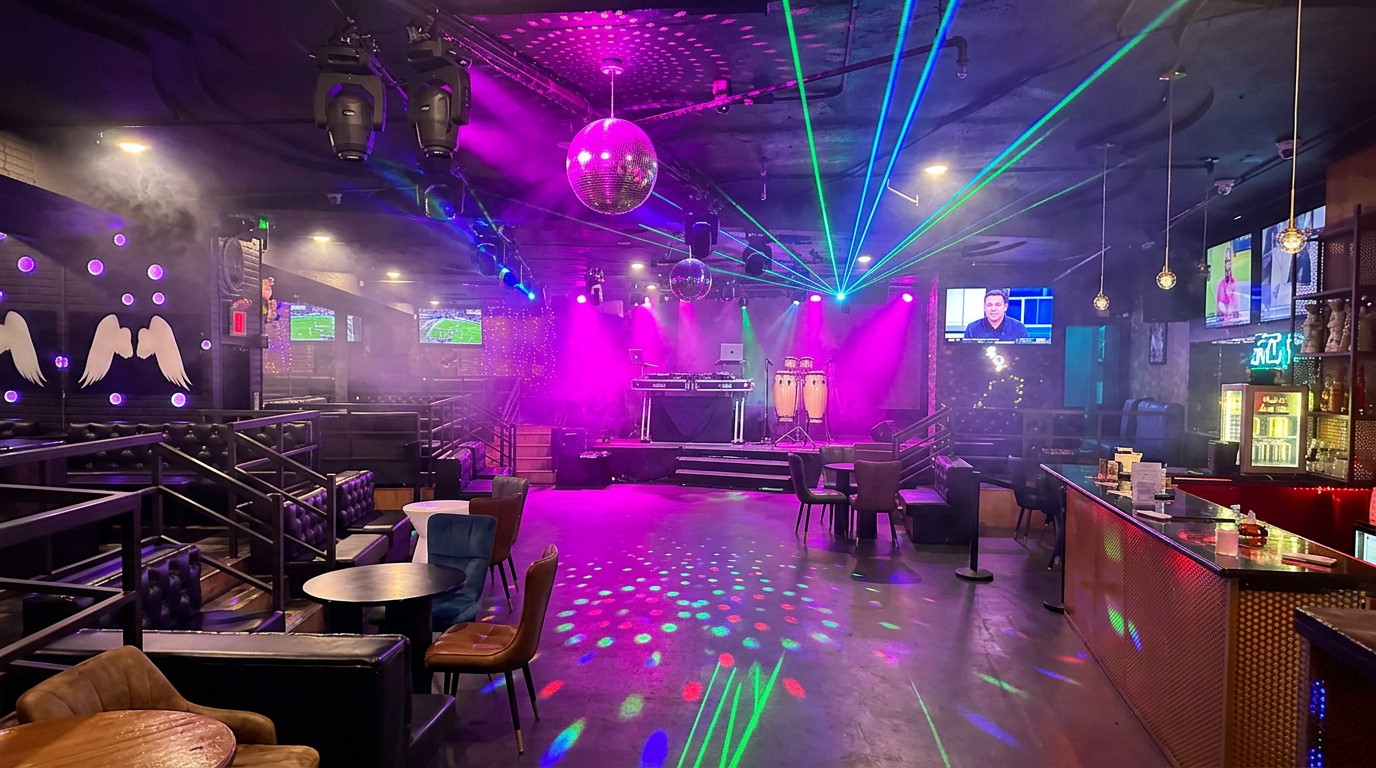
You can feel a salsa record change the room before you know its name. A sharp brass phrase cuts through the conversation, the percussion starts arguing in the best possible way, and someone beside you turns toward the floor. Another song arrives with a softer entrance and a singer who sounds one chorus away from calling an ex. The dancing continues, but the mood shifts.
That is the pleasure of salsa dura vs salsa romantica: not a contest between serious dancing and sentimental music, but two ways into the same night. For anyone exploring salsa NYC, recognizing those moods makes listening more rewarding—and helps you dance without treating every song like the same assignment.
What separates the two sounds?
Salsa dura, often translated as “hard salsa,” generally puts rhythmic drive, percussion, brass, and instrumental interplay near the center of the experience. The sound is closely associated with the salsa boom of the 1960s and 1970s, including New York’s enormously influential scene. Listen to recordings by artists such as Willie Colón, Héctor Lavoe, and Ray Barretto for different expressions of that intensity.
Salsa romántica became especially prominent in the 1980s, foregrounding romantic lyrics, melodic hooks, and polished vocal delivery. Artists such as Eddie Santiago and, across much of his catalog, Gilberto Santa Rosa offer useful listening paths.
These are broad tendencies, not airtight categories. Dura can be tender; romántica can have demanding percussion and thrilling arrangements. Neither label tells you exactly how fast a track will be. The distinction is more useful as a listening guide than a rulebook.
Salsa dura: let the percussion lead you
A good salsa dura track can feel like several conversations happening around one table. The piano repeats and develops its rhythmic figure. The bass anchors the movement. Congas, bongos, and timbales contribute different textures, while the brass might interrupt with a phrase that practically demands a response.
On the dance floor, that gives you plenty to play with. You might keep your basic compact through a vocal passage, open into footwork during an instrumental section, or acknowledge a strong accent with a pause rather than another turn.
The temptation is to answer every sound. Resist it. You do not need to perform a percussion solo with your entire body. Pick one element, stay connected to your partner, and let the arrangement create the excitement.
Dura rewards attention more than athleticism. A clean weight change at the right moment can feel better than an elaborate pattern rushed through a musical break.
Salsa romántica: follow the song, not a stereotype
Salsa romántica often makes the vocal feel like the emotional center of the room. The singer stretches a phrase, the chorus returns, and suddenly even people who were discussing their commute are singing along. That shared recognition is part of its dance-floor power.
Try listening for the length of a sung line. Let a simple movement finish with it. When the chorus opens up, your dancing can become a little more expansive without becoming bigger in physical space. Smooth transitions and an unhurried connection often suit the mood beautifully.
But romantic music is not permission to pull someone closer. A song about longing does not change a partner’s boundaries. Keep your hold comfortable, offer rather than impose movement, and let proximity be mutually chosen.
Nor does a polished arrangement mean an easy dance. Some romántica tracks move briskly, and their phrasing can reward just as much musical attention as a percussion-heavy classic.
Two moods, one set of dance-floor manners
You do not need separate dance vocabularies for these styles. Your timing, balance, and ability to communicate matter in both. If you already know a basic step and a comfortable turn, you have enough material to enjoy a whole song.
New York has a strong on-2 salsa tradition, but you will encounter dancers with different timing preferences and backgrounds. A quick “Do you dance on 1 or on 2?” can prevent three minutes of politely fighting the music. If you are new, say so; clarity is more useful than pretending.
A few habits make either mood easier:
- Ask for a dance without grabbing someone’s hand or waist.
- Accept a no graciously, without asking for an explanation.
- Start with simple movements while you find a shared rhythm.
- Keep steps and turns small when the floor gets crowded.
- Skip dips and lifts unless clearly agreed upon and safe for the space.
- Thank your partner when the song ends.
If you lose the beat, reset together. Nobody’s night needs to depend on a flawless cross-body lead.
Why both belong in a mixed Latin night
A dedicated salsa social and a mixed Latin party can offer different experiences. At a social, you might dance several salsa songs in succession with different partners. At a broader party, salsa shares space with other genres, and the room’s focus moves between partnered dancing, group dancing, and catching up over a drink.
That variety is central to Latin nightlife NYC. Old school reggaeton can bring a group of friends back together after they have scattered across the floor. Bachata changes the pace and partner connection. Merengue offers another rhythmic feel, while afro house can carry the room into a longer, rolling groove.
If your searches alternate between afro house NYC and bachata dancing New York, you may be looking for that variety rather than a single-genre night. Check the advertised music before committing; “Latin” alone does not tell you the balance.
Latin After Dark NYC is a grown, upscale Latin nightlife experience for a 30+ crowd, with old school reggaeton, afro house, bachata, salsa, merengue, and Latin classics in its musical mix. Approach that kind of night ready for different moods, not a guaranteed sequence of songs.
Plan the New York part of the night
The best music still has to meet your actual Saturday: dinner, trains, comfortable shoes, and a realistic trip home. When choosing a Latin party New York City outing, look beyond the neighborhood name. Check the venue location, listed start time, admission information, and any published dress requirements before leaving.
Astoria is reachable by the N and W along the neighborhood’s elevated corridor, though the W generally does not run on weekends. For a Saturday plan, check current N service and the final walk from the station to your destination. Weekend construction can change the route you thought you knew.
The same principle applies when meeting friends in Manhattan, Brooklyn, or the Bronx: agree on a station or confirmed destination rather than “somewhere downtown.” New York makes vague plans surprisingly expensive in time.
Give yourself a buffer instead of arriving breathless. Earlier arrival can give you room to settle in and hear how the music develops, though the event’s own schedule should guide you. Before your first dance, put away your coat and bag securely and find somewhere off the floor to regroup with friends.
Dress for movement and listen before Saturday
Choose shoes you have already walked and turned in. A sole that catches aggressively can make pivots uncomfortable, while an unfamiliar slippery sole creates its own problems. You want controlled movement, not a footwear experiment. Upscale and danceable can coexist: prioritize fit, breathable fabric, and freedom through your shoulders and knees.
Carry less than you would for a full day out. Keep your phone secure, hydrate, and step off the dance floor when you need a break rather than standing in the traffic of moving couples.
Before Saturday, try a small listening exercise: play one salsa dura recording and one salsa romántica recording without doing anything else. Notice what catches you first—the singer, brass, piano, or percussion. Then walk the pulse or practice your basic through each.
You are not studying for entry. You are building familiarity so that, when a song catches your ear in a crowded room, you have somewhere comfortable to begin.
Bring both moods to an upcoming Saturday
Your next dance does not require choosing a side. Bring an ear for the percussion, room for a big chorus, and the willingness to share the floor thoughtfully.
Join Latin After Dark for DOLLHOUSE on Saturday, October 3, at The Zone NYC in Astoria, Queens. [Find tickets on the event page](/events/dollhouse-october-3), check the published details, and invite someone who is ready for a Saturday with more than one musical mood.