Blog · Music & Dance
Reggaeton History: From Panama and Puerto Rico to NYC Clubs
Trace reggaeton from Panama and Puerto Rico to NYC dance floors, with a practical guide to hearing its history on your next night out.
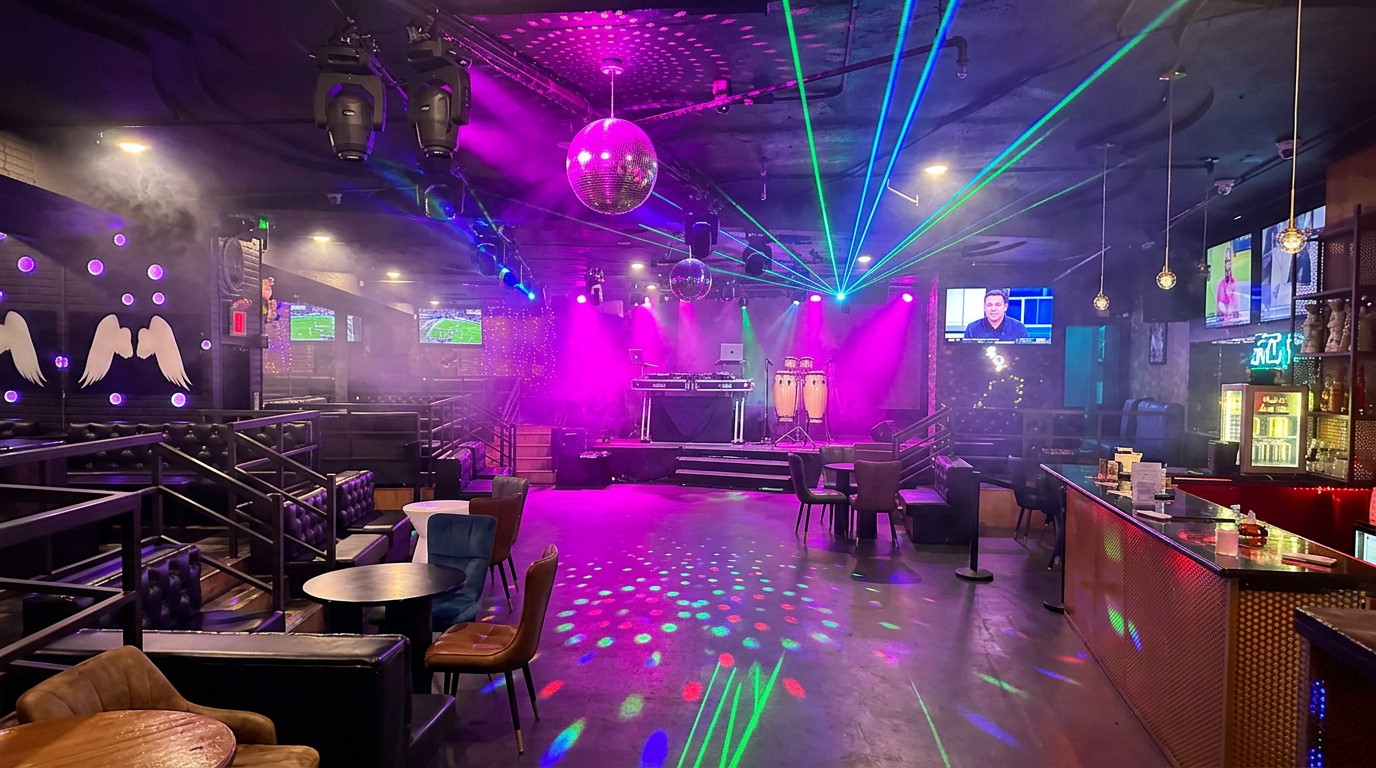
You can hear a piece of reggaeton history in the moment a New York dance floor recognizes an intro. Someone turns toward their friends, a chorus comes back from memory, and a room full of separate nights suddenly moves together. Old school reggaeton has that effect: the songs carry house parties, burned CDs, car rides, and first nights out inside them.
But the music did not arrive fully formed with a global hit. Its story runs through Jamaican dancehall, Panama’s Caribbean communities, Puerto Rico’s underground, and the movement of people and recordings between cities. Knowing those connections makes a Saturday out more interesting—not because you need homework to dance, but because you start hearing how much is happening beneath a familiar hook.
Panama: Spanish-language reggae takes root
One essential starting point is Panama, where Jamaican and other Caribbean migrant communities helped establish a lasting connection to reggae. That connection grew within a broader history of Caribbean migration, including labor tied to the railroad and canal. Music traveled through families, records, sound systems, and everyday life.
By the 1980s, Panamanian performers were developing reggae en español, adapting Jamaican reggae and dancehall into Spanish. Artists including Renato and Nando Boom helped shape that movement; El General brought it to wider international audiences around the turn of the 1990s.
This was more than changing a song’s language. Spanish phrasing, local expression, and different vocal personalities opened new possibilities within the rhythms. Those recordings became important reference points for what followed in Puerto Rico.
It is tempting to give reggaeton one birthplace and one birthday. The more useful version recognizes several connected developments, with Panama’s Spanish-language reggae central to the story rather than treated as a footnote.
Puerto Rico: the underground builds a sound
In Puerto Rico during the late 1980s and 1990s, local artists and producers brought Spanish-language reggae into conversation with dancehall and hip-hop. What listeners often called underground circulated through mixtapes, parties, and informal networks before mainstream institutions embraced it.
DJ Playero and DJ Negro were important figures in that ecosystem. The Noise, associated with DJ Negro, became a crucial platform, while Playero’s mixtapes helped showcase voices including a young Daddy Yankee. Ivy Queen emerged from this broader underground, developing an unmistakable presence in a scene where women faced substantial barriers.
The recordings could feel raw, direct, and built for immediate physical response. Rapping, singing, rhythmic repetition, and sharply recognizable vocal entrances mattered as much as polished presentation.
The underground also faced policing and public campaigns against its explicit content. Race and class shaped that rejection: music connected to Black and working-class youth was often treated as a social threat. Its eventual commercial success should not erase the communities that sustained it when it was stigmatized.
Dembow: the rhythmic connection you can feel
The word dembow needs a little care. Shabba Ranks’s 1990 recording “Dem Bow,” produced by Bobby Digital, became a major rhythmic reference within a wider Jamaican dancehall lineage. Related patterns, recordings, and reinterpretations helped shape reggaeton’s rhythmic foundation.
Listen underneath the vocals and you will hear the tension between the low drum pulse and the crisp, syncopated percussion. That repeating relationship gives dancers something steady to settle into while the singer or rapper changes the energy above it.
Reggaeton is not one unchanged loop, though. Producers adjust the drums, bass, space, and tempo feel. A sparse track can leave room for a low, grounded movement; a busier production can make the same floor feel suddenly urgent.
Also, Dominican dembow is a distinct, related genre with its own development and scene. The shared word does not make the styles interchangeable. On a New York night, hearing both can be part of the pleasure of a DJ moving across Caribbean sounds.
When old school reggaeton became shared memory
By the late 1990s and early 2000s, reggaeton was reaching larger audiences through artists including Daddy Yankee, Don Omar, Tego Calderón, Ivy Queen, and Wisin & Yandel. Their styles were not identical: delivery, songwriting, influences, and stage presence gave listeners different ways into the music.
Daddy Yankee’s “Gasolina,” released on Barrio Fino in 2004, became a landmark in reggaeton’s international expansion. It was not the genre’s beginning. It was a breakthrough built on years of creative work and circulation.
That distinction matters when an old school reggaeton set brings a room together. What sounds like pure nostalgia also reflects a period when a once-marginalized sound became impossible for the mainstream to ignore.
“Old school” itself has flexible boundaries. One dancer means underground recordings from the 1990s; another means the hits they knew in the 2000s. You do not need to settle that debate at the bar. Listen for the differences, enjoy the recognition, and leave room for someone else’s formative song.
New York: a meeting place, not just a destination
New York’s role goes beyond receiving hits after they became famous. Puerto Rican, Dominican, Panamanian, Jamaican, and other Caribbean communities have long made the city a place where musical influences meet. Hip-hop, itself shaped by Black and Latino New York communities, was already part of the conversation feeding reggaeton’s development.
Uptown Manhattan, the Bronx, Brooklyn, and Queens offer different neighborhood contexts for that exchange. A family gathering, a car stereo, a record shop, and a dance floor can all help a song become part of local life. No single neighborhood owns the whole story.
That helps explain why latin nightlife nyc is rarely one sound all night. Familiarity crosses generations and genres. Someone who comes alive during a reggaeton chorus may also know exactly what to do when merengue starts.
For a grown crowd, that range can be the point: a night with shared memories, room to move, and enough variety to keep everyone listening.
How a mixed Latin night moves
A mixed-format party is different from a dedicated salsa social or a reggaeton-only event. The DJ may move from perreo into bachata, switch to merengue, or build a longer stretch around house rhythms. The pleasure is in adapting rather than expecting every song to ask the same thing of your body.
If your search starts with “afro house nyc,” remember that Afro house has its own history, strongly associated with South African house music and wider African musical creativity. It is not an offshoot of reggaeton, though both can belong in a thoughtfully varied night.
Likewise, searches such as “bachata dancing new york” or “salsa nyc” may lead to lessons and partner-dance socials as well as nightlife parties. Check the event description. A mixed party does not automatically include instruction or long, uninterrupted partner-dance sets.
Latin After Dark NYC is a grown, upscale experience for a 30+ crowd, with old school reggaeton, Afro house, bachata, salsa, merengue, and Latin classics in its musical mix. That gives you a clearer starting point than a generic “latin party new york city” search.
Plan the trip, then give the floor some space
The practical details decide whether you arrive ready to enjoy yourself or already irritated. For Astoria, the N and W serve major parts of the neighborhood, while some destinations are more convenient to the M or R. Saturday service differs from weekday service: the W does not normally run on weekends, and planned work can change other routes. Check the exact destination and current MTA guidance before leaving.
Do not assume every Queens venue is a short walk from the same station. Confirm the entrance, opening time, and any posted entry requirements through the event information. Plan your return trip too, especially if you are connecting across boroughs late at night.
A few habits make the room better for everyone:
- Wear shoes you can comfortably dance and stand in, while checking any published dress guidance.
- Arrive near the advertised start if you prefer time to settle in; crowd timing varies.
- Ask before initiating partner dancing or close-contact perreo. A song is not consent.
- Keep steps compact on a busy floor, and skip big dips or traveling turns without clear space.
- Step aside to text, and avoid filming strangers at close range.
- Take water breaks and let friends know if you change your plan for getting home.
You do not need elaborate choreography. Find the pulse, relax your knees, and move within your own space. Confidence often looks like paying attention rather than performing.
Make it an upcoming Saturday
Hear those connections for yourself at DOLLHOUSE, Saturday, October 3, at The Zone NYC in Astoria, Queens. Bring friends who love a familiar chorus and are happy to follow the music somewhere else afterward.
Find tickets and check the available event details on the [DOLLHOUSE event page](/events/dollhouse-october-3). Come for the songs you remember; leave with a few more reasons to love a Saturday on the dance floor.