Blog · Culture & Recaps
Latin Nightlife for Immigrant Communities: Why It Matters
Why Latin nightlife matters to immigrant New Yorkers, from familiar music and shared dance floors to a Saturday out in Queens.
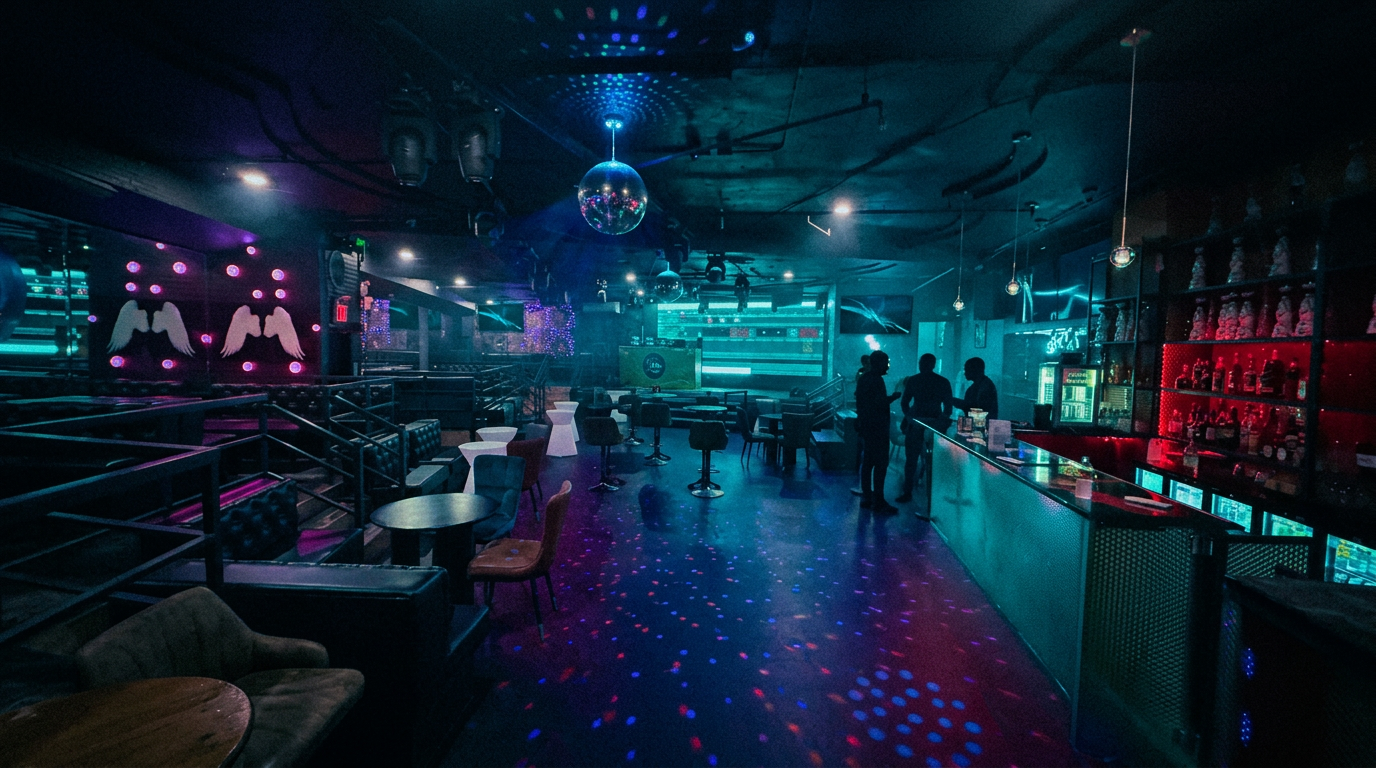
Some nights, the first familiar song does more than get you dancing. It brings back a cousin’s birthday, a kitchen radio, a bus ride, or the sound of adults celebrating after the children were supposed to be asleep. In New York, where work and distance can make even close relationships difficult to maintain, those moments matter. A dance floor can become a place to reconnect without having to explain every part of yourself.
That is one reason latin nightlife for immigrant communities deserves attention beyond party listings. It can offer pleasure, recognition, and time with people who understand a musical reference before the chorus arrives. It is also simply a night out: deciding what to wear, meeting friends in Queens, and hoping the music makes the trip worthwhile.
A familiar chorus in a city of different beginnings
There is no single immigrant experience, and there is no single Latin soundtrack. Someone raised on Dominican merengue may hear home differently from someone who grew up with Colombian salsa or Puerto Rican reggaeton. Age, region, race, and family history all shape what feels familiar. Some people arrive in New York as adults; others inherit memories through parents, grandparents, and neighborhood celebrations.
A good Latin night leaves room for those differences. You might recognize every word of one track and learn the rhythm of the next by watching the room. Nobody needs to represent an entire country or prove that they belong through perfect Spanish or polished footwork.
Music can make recognition feel immediate. Across a crowded floor, a friend catches your eye when the opening beat lands. That small exchange can hold a lot: shared history, an old joke, or relief after a difficult week. The value is not that nightlife replaces home. It is that people can build another kind of familiarity here.
Belonging without turning the night into an obligation
Immigrant life can involve a great deal of responsibility: working around changing schedules, supporting relatives, translating paperwork, or keeping relationships alive across time zones. None of those experiences is universal, but they help explain why time devoted to enjoyment can feel especially valuable.
Going dancing does not have to accomplish anything beyond giving you a good evening. You can sing badly with your friends, spend a song catching your breath, or enjoy hearing Spanish in several accents around you. You do not owe anyone a story about where you came from.
For people exploring latin culture nyc nightlife, that distinction matters. Culture is not only something preserved at festivals or explained in museums. It also lives in playful arguments about songs, the way someone invites a partner to dance, and the merengue that brings a quiet friend off the sidelines. A party can carry cultural memory without asking every guest to treat the night as a lesson.
Why Queens makes sense for a night together
Queens offers a practical meeting ground for friends whose lives stretch across different neighborhoods. Astoria, Jackson Heights, Corona, and Elmhurst each have their own rhythms and communities; they should not be treated as interchangeable versions of the same place. Still, planning a night in the borough can make it easier to connect dancing with dinner, a visit, or a familiar train journey.
Astoria is served by the N and W along the elevated line, while parts of the neighborhood are accessible from the M and R corridor. Your best stop depends on the actual destination, and weekend service can differ from weekday service. Check the MTA’s current information rather than assuming your usual commute applies on Saturday night.
If your search begins with “latin party queens ny,” look past the borough label. Confirm the venue location, compare the route from your home, and agree on a meeting point with friends. A plan that seems simple from Manhattan may involve another transfer from eastern Queens or Brooklyn. Those details affect who can comfortably join and how long everyone wants to stay.
What a grown dance floor can feel like
For many people, grown latin nightlife means wanting an evening that respects both their energy and their time. You may still want to dance hard. You may also want room to greet your friends, take a water break, and leave when you are ready rather than when the group finally reaches a consensus.
Latin After Dark NYC is a grown, upscale Latin nightlife experience for a 30+ crowd. Its music includes old school reggaeton, afro house, bachata, salsa, merengue, and Latin classics. That range offers different ways into the night: a track you know word for word, a partner dance, or a rhythm you settle into without needing a routine.
A 30+ focus does not mean everyone wants the same pace or atmosphere. Read the event information for the details that matter to you, including timing and any published entry requirements. Treat “upscale” as a description of the experience, not as permission to invent a dress code. If clothing requirements are unclear, ask before leaving home.
The music can connect generations without flattening them
An old school reggaeton song can bring back a very specific chapter of someone’s life. A salsa classic may connect another guest to family gatherings. Bachata and merengue can shift the way people interact, while afro house offers another rhythmic direction. Those changes give an evening texture instead of asking one genre to stand in for everyone.
This is part of what makes latin nightlife nyc interesting: people bring different listening histories into the same room. Friends may disagree about which era was best, then find themselves dancing to each other’s choices. Familiarity and discovery can coexist.
There are limits to what music alone can do. A playlist cannot guarantee inclusion, and a shared language does not erase differences in background or experience. The atmosphere also depends on how guests treat one another. Making space, respecting a declined invitation, and welcoming an inexperienced dancer can matter as much as hearing the right song.
Plan the practical parts before the first dance
The easiest nights often begin with a few unglamorous decisions made beforehand. Nobody wants to spend the opening stretch of an evening comparing screenshots outside a station or discovering that friends bought tickets for different dates.
Before you head out, cover these basics:
- Check the event page together. Confirm the date, venue, published hours, and ticket details rather than relying on an old flyer.
- Plan for Saturday transit. Check service changes and the walk from your chosen station to the venue.
- Choose a clear meeting point. A specific station exit is more useful than “somewhere in Astoria.”
- Agree on your spending comfort zone. Include tickets, transportation, and anything you expect to buy during the evening without assuming everyone has the same budget.
- Think about the trip home. Keep enough phone battery to check directions and make a backup plan if your preferred train is disrupted.
Eat beforehand if that works for your schedule, and choose shoes you can actually move in. Coordinate an arrival time using the event’s published hours, not an imagined rule about when a Latin party is supposed to get good. If someone has work or family responsibilities the next morning, make an early departure easy rather than turning it into a negotiation.
Make belonging something you practice
A welcoming dance floor is built through ordinary behavior. Ask before taking someone into a partner dance. Accept “no” without asking for an explanation. Keep your movements suited to the space, especially when the floor gets crowded. Confidence is attractive; pulling an unfamiliar partner into a move they did not agree to is not.
Language deserves the same care. Some guests are most comfortable in Spanish, others in English, and many move between the two. Nobody’s fluency should become a test of their identity. The person learning a basic step may have just as meaningful a connection to the music as the strongest dancer in the room.
Be thoughtful with photos, too. Ask before posting identifiable pictures of new acquaintances, and avoid filming strangers simply because their dancing catches your attention. When you invite someone to a latin party new york city outing, share practical details and give them room to decide. Belonging starts before the door and continues in how you behave once you are inside.
Join us on an upcoming Saturday
The next Latin After Dark event is DOLLHOUSE, Saturday October 3, at The Zone NYC in Astoria, Queens. You can find tickets and check the event information on the [DOLLHOUSE event page](/events/dollhouse-october-3).
Invite a friend you have been meaning to see, check your Saturday route, and make some room for dancing. A familiar chorus and an evening together are good reasons to go out.