Blog · Culture & Recaps
Latin Nightlife and Community: More Than a Party
Explore how Latin nightlife builds community in NYC, from shared songs and dance-floor etiquette to a grown Saturday night in Astoria.
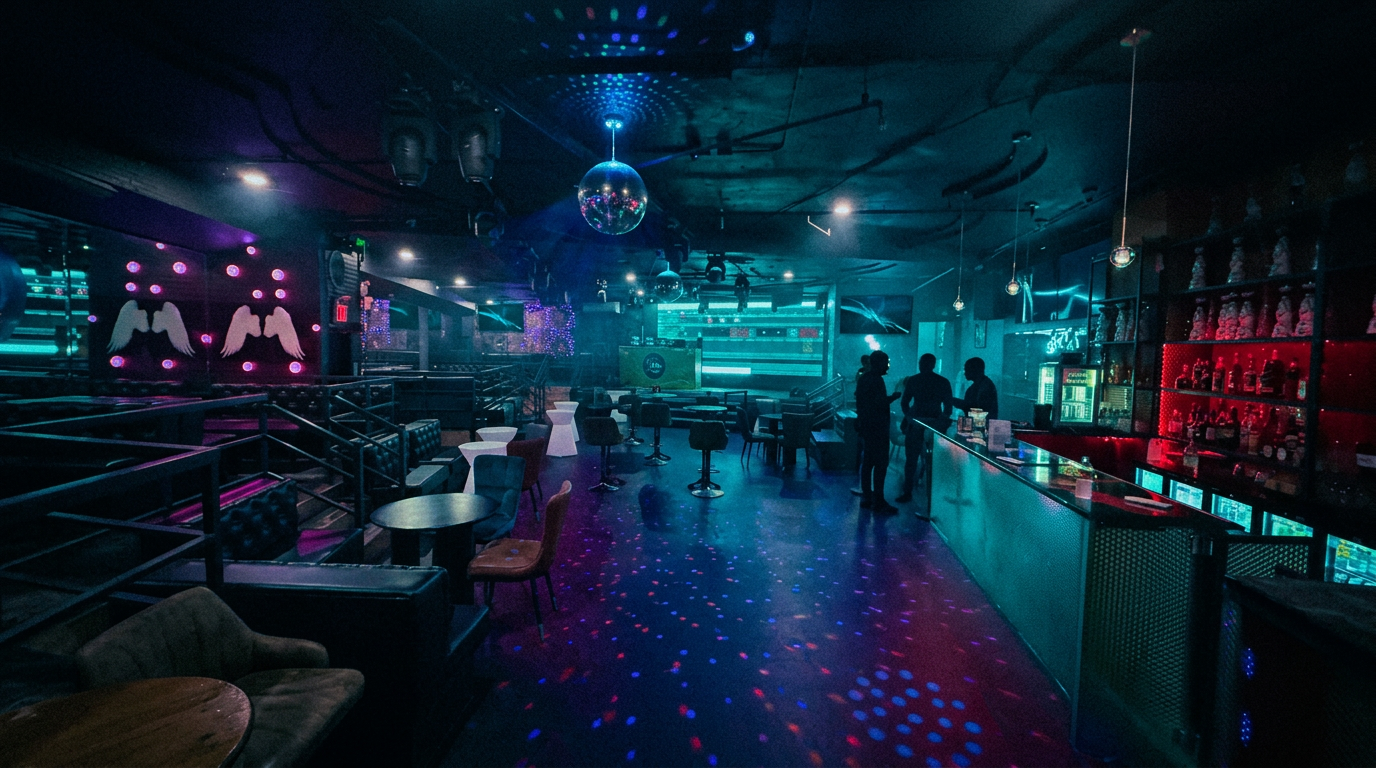
A good Latin night in New York starts before anyone reaches the dance floor. It starts in the group chat, when someone finally picks a Saturday. It continues on the train, with a friend checking whether everyone has eaten, and at the entrance, where the person who almost stayed home begins to relax. By the time a familiar chorus comes on, the night already means something.
That is the connection between latin nightlife and community: music gives people a reason to gather, but the gathering is what stays with them. For a grown crowd balancing work, family, and crowded calendars, a night out can be a way to reconnect with friends, cultural memory, and a part of yourself that does not get much room during the week.
The community is in the small moments
Community can sound like a big promise for a Saturday party. Usually, though, it shows up in ordinary gestures: making room for a couple dancing salsa, introducing the friend who came alone, or noticing that someone at your table has been quiet and inviting them into the conversation.
Latin nightlife can bring different generations and experiences into the same room. One person recognizes a song from family celebrations. Another knows it from a college playlist. Someone else is hearing it for the first time and following a friend’s lead.
Those connections do not require everyone to share a nationality, speak Spanish, or know the same steps. Latin culture is not one uniform experience, and a welcoming night leaves room for those differences. You can feel deeply attached to a song without expecting the person beside you to carry the same memories.
A playlist can hold more than one kind of belonging
Music shapes how people share a room. Old school reggaeton can pull a scattered friend group back together when a familiar hook lands. Bachata may shift the focus toward partner dancing. Salsa invites a different conversation between feet, rhythm, and space, while merengue can make joining in feel refreshingly straightforward.
Afro house brings another pulse, and Latin classics can connect dancers whose everyday listening habits barely overlap. These are distinct sounds, not interchangeable labels. Their variety gives different people a point of entry into the night.
At Latin After Dark NYC, the music spans old school reggaeton, afro house, bachata, salsa, merengue, and Latin classics. That range suits a grown, upscale experience for a 30+ crowd without suggesting that everyone has to enjoy the evening in exactly the same way.
You might dance three songs straight, catch up with a friend during the next one, then return when something familiar comes on. Participation does not have to mean staying on the floor all night.
What a grown night out actually means
Grown latin nightlife is not about proving that you have outgrown fun. It is about knowing which conditions help you enjoy it: thoughtful company, clear plans, considerate behavior, and enough personal space to choose your own pace.
For some people, that means dressing up because the week rarely offers an occasion. For others, it means arranging childcare early or deciding on a departure time before leaving home. None of that makes the night less spontaneous once you arrive. It simply removes avoidable friction.
Upscale does not have to mean distant or unfriendly, either. A polished night can still include laughing through a missed step, singing with your friends, and meeting someone without turning the interaction into a performance.
Choose shoes you can actually dance in. Bring only what you want to keep track of. If there is a published dress policy, read it rather than guessing from promotional photos. The goal is to feel like yourself, with a little more occasion attached.
Queens gives the night a neighborhood context
Queens is not just a location tag at the bottom of an event flyer. For friends scattered across the boroughs, it changes the logistics of meeting up, eating beforehand, and getting home afterward. An Astoria plan may feel easy for one person and require a transfer and a longer walk for another.
The N and W serve parts of Astoria, while the M and R serve the Steinway Street and 46th Street stations. That is useful neighborhood orientation, not a promise about the nearest stop to an event. Check the venue’s confirmed address, then use current transit directions; weekend service and train availability can differ from weekday patterns.
Someone searching for a latin party queens ny may care as much about those details as the music. Pick a meeting point everyone can find, and allow time for friends arriving from elsewhere.
Washington Heights, the Bronx, Brooklyn, and other parts of Queens also carry their own Latin cultural connections. No single neighborhood tells the whole story of latin nightlife nyc.
Plan enough to leave room for fun
A little coordination keeps a night from becoming an extended sidewalk debate. Before buying tickets, agree on the basics: who is coming, whether you are eating together, and whether everyone wants the same kind of evening.
If one friend wants a full night of dancing and another expects a brief catch-up, naming that difference early prevents disappointment. You can arrive together without making everyone promise to leave together.
A practical pre-party checklist helps:
- Read the event page for admission details, published hours, and any stated entry requirements.
- Confirm the venue address before choosing your subway route or booking a ride.
- Eat beforehand, especially if dinner would otherwise become an afterthought.
- Charge your phone and share the plan with someone in your group.
- Decide how you will get home, with an alternative if transit changes.
- Check what tickets or list arrangements actually include rather than assuming.
A VIP list is not a substitute for reading the terms attached to it. If something is unclear, ask before the night rather than trying to resolve it at the entrance. Clear expectations leave more energy for the reason you came.
Good dance-floor etiquette makes belonging possible
The most welcoming room is not necessarily the one with the most outgoing people. It is the one where boundaries are easy to express and easy to respect.
Ask before initiating a partner dance, and accept a no without negotiation. One dance does not create an obligation for another. If you are unsure about someone’s comfort with close contact, give them space and check in rather than treating a musical style as permission.
For salsa, bachata, or any partner dancing, keep movements appropriate to the available space. A crowded nightlife floor is not the place to insist on expansive turns or unexpected dips. Beginners deserve patience, but unsolicited instruction can make someone feel examined instead of included.
The same care applies off the floor. Ask before filming someone closely or posting a recognizable video. Step aside for conversations instead of blocking movement. If you attend with friends, include the quieter person without pressuring them to dance. Small choices help people feel comfortable returning.
From a search result to a familiar circle
Searching “latin culture nyc nightlife” or “latin party new york city” can help you find a starting point. It cannot tell you everything about how a room will feel. Look beyond the flyer to the music, audience, location, and practical information, then decide whether the night matches what you want.
Building community takes a little repetition. Invite the friend who keeps saying they miss dancing. Learn the name of someone you meet without demanding an instant friendship. Follow up the next day with an actual invitation rather than leaving every connection at “we should do this again.”
Latin After Dark has a mailing list, a VIP list, and a promoter program with referral links. Those offer ways to stay connected or share an event. If you use a referral link, be transparent about it; recommendations feel warmer when nobody has to guess your relationship to the invitation.
The point is not to turn every night into networking. It is to make room for familiar faces to become part of your social life.
Make room for an upcoming Saturday
The next invitation is DOLLHOUSE, Saturday, October 3, at The Zone NYC in Astoria, Queens. Gather a few friends, compare travel plans, and leave yourself enough breathing room to arrive ready to enjoy the night.
Find tickets and check the latest event details on the [DOLLHOUSE event page](/events/dollhouse-october-3). For questions, contact Mtsproductionsevents@gmail.com or 347-891-5328. Come for the music that moves you, and make room for the people who might make this Saturday worth remembering.