
Blog · Planning & Tips
How to Organize a Group Night Out for 10 or More People
Plan a Latin dance night for 10 or more in NYC with clear budgets, smart arrival plans, table questions, and less group-chat chaos.
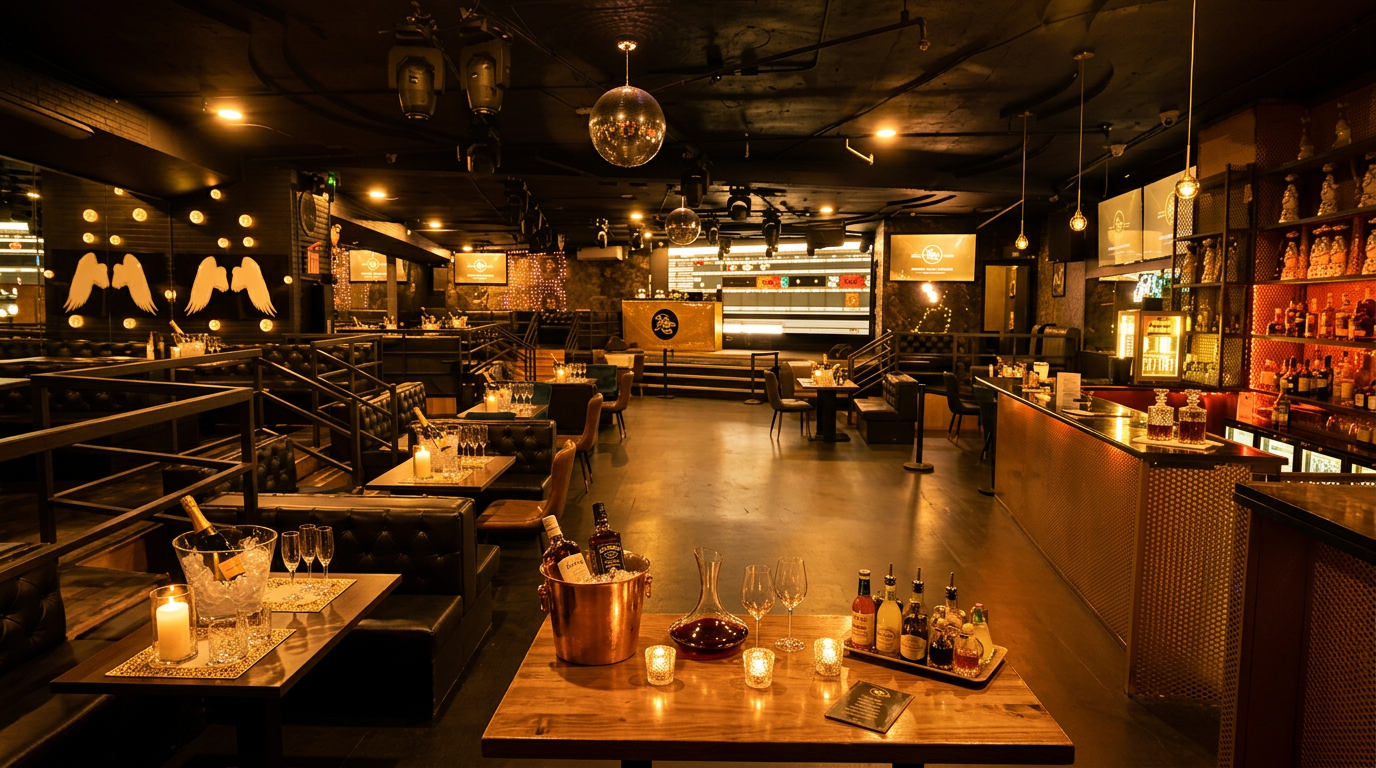
Ten friends can turn a Saturday into the kind of night everyone brings up for months: the birthday crew singing along to an old-school reggaeton track, the quiet friend finally joining the salsa dancers, the last group photo before everyone splits for home. But getting those same ten friends through one door takes more than dropping a ticket link into a chat.
If you’re figuring out how to organize a group night out for 10 or more people, start with fewer decisions, clearer expectations, and a plan that leaves room to dance. Here’s how to put together a New York night that feels like a celebration rather than a second job.
1. Choose the night your actual friends will enjoy
Before discussing outfits or bottles, decide what kind of evening suits the group. Do people want dinner and two hours of dancing, or are they hoping to stay until the final track? Are they excited about partner dancing, familiar sing-alongs, or a mix that keeps everyone moving?
For a grown, upscale Latin nightlife experience geared toward a 30+ crowd, Latin After Dark NYC brings together old school reggaeton, afro house, bachata, salsa, merengue, and Latin classics. That range matters when your guest list includes both the friend who dances every weekend and the friend whose last big night out was somebody’s wedding.
Pick the experience before the neighborhood. An Astoria destination may make more sense for your crew than a Manhattan meetup, especially if several guests live in Queens. Friends coming from Brooklyn, the Bronx, or New Jersey should see the destination early enough to judge the trip honestly.
2. Give the group one organizer and a real deadline
A large chat can generate thirty messages without producing one decision. Appoint one lead organizer and one backup. The lead handles the event contact and shared plan; the backup helps with arrivals if the lead is celebrating, running late, or already on the dance floor.
Then send one message people can answer without scrolling through a debate:
- The plan: Event, date, neighborhood, and ticket link.
- The timing: Proposed meetup and entry window, subject to confirmed event rules.
- The budget: What each person pays individually and any proposed shared costs.
- The deadline: When you need a firm yes, not a “probably.”
- The action: Buy a ticket, confirm participation, or ask a specific question.
Keep a simple headcount with three categories: confirmed, undecided, and declined. A reaction emoji or an enthusiastic voice note is not the same as a purchased ticket or a commitment to a shared expense.
After the deadline, stop rebuilding the plan around every maybe. Late additions can join if availability and the booking terms allow.
3. Set a budget before anyone puts down money
For a group of ten or more, money gets awkward when expectations stay vague. One person imagines admission and a single drink; another assumes everyone is splitting a table. Neither is wrong, but they are planning different nights.
Break the evening into admission, transportation, optional food, and any shared reservation. If you receive a table quote, ask whether it includes admission, taxes, gratuity, service charges, and any required minimum spend. Get the cancellation terms and payment deadlines in writing before collecting money.
A search for “vip table nyc latin club” can help you start researching, but a listing or promotional image is not a complete booking agreement. Confirm the total, the capacity, and exactly what your group receives directly with the event contact.
Keep shared costs opt-in. Someone who wants to dance without joining a table purchase should know whether separate admission is possible before committing. Collect agreed contributions before making a nonrefundable payment, and explain how you’ll handle a cancellation. Don’t quietly become the lender for nine friends.
4. Ask whether a table actually solves your problem
A table can give a large group a gathering point, but it is not automatically the best choice. If everyone plans to spend the night dancing, individual tickets may fit better. If the group wants somewhere to regroup between songs, ask what reservation options are available.
Be specific about capacity. “We’re twelve people” should lead to a clear answer about how many guests a booking accommodates, whether seating is available for everyone, and how entry works. Never assume a table guarantees immediate admission or overrides arrival requirements.
Also distinguish a VIP list from a table reservation. Ask what list placement means for the particular event; don’t infer seating, complimentary entry, or other benefits.
For DOLLHOUSE inquiries, contact Mtsproductionsevents@gmail.com or 347-891-5328. Send your date, expected headcount, occasion, and questions in one message. A concise request is easier to answer than six separate texts, especially when you need written details to share with the group.
5. Make the trip and arrival window realistic
New York distances look friendlier on a map than they feel during weekend service changes. For Astoria, the N and W serve parts of the neighborhood, but service depends on the day and station. Check the exact venue location, the nearest operating stop, and current MTA advisories rather than assuming your weekday route will work on Saturday.
Choose a nearby meetup point only after verifying the route. Make it somewhere the group can gather without blocking a sidewalk, station entrance, or business doorway. Share the confirmed venue location separately so late arrivals can go directly there.
Set an arrival window instead of demanding that twelve people emerge from three trains simultaneously. Confirm whether tickets, list entry, or reservations carry an arrival deadline, then build in a buffer before it.
Avoid making one person hold every ticket unless the organizer confirms that group entry works that way. Have guests keep their own confirmations accessible and bring the identification required for entry. A charged phone helps; a screenshot may also help if the ticket system supports it. Don’t assume a static screenshot will replace a live barcode.
6. Clear up dress code and birthday details early
The search “latin club dress code nyc” won’t produce one universal rule. Policies vary by event and venue, so ask about the actual night you’re attending. An upscale description sets a mood, but it doesn’t tell you whether particular shoes, hats, or clothing are permitted.
Share confirmed guidance without turning the group chat into fashion policing. Suggest outfits people feel good dancing in and shoes they can comfortably stand in. If coat check matters to the plan, ask whether it is available rather than promising it.
Planning a birthday party at an NYC Latin club takes another round of questions. Can you bring a cake? Are decorations allowed? Is there a process for a birthday acknowledgment? Don’t arrive carrying balloons, outside drinks, or dessert and expect staff to improvise permission.
Give the birthday person fewer responsibilities, not more. The backup organizer can coordinate arrivals and take the group photo, leaving the guest of honor free to enjoy the night.
7. Keep the group together without managing every minute
The best group plan has structure at the edges and freedom in the middle. Agree on an arrival check-in, a place to reconnect, and a simple message when someone leaves. You do not need to account for everyone after every song.
Latin nightlife in NYC is more enjoyable when the group participates without taking over the room. Keep bags and coats out of walkways, avoid forming a wall around the dance floor, and make space for other dancers. During salsa or bachata, ask before joining someone and accept a no gracefully. Keep movements compact when the floor is crowded.
Ask before filming friends or posting close-up videos of other guests. Take the group picture early, while everyone is together, rather than interrupting the best stretch of music later.
Before departure, check the route home again. Friends sharing a car should confirm the pickup location and destination order before booking. Anyone leaving alone can send a quick arrived-home message if they’re comfortable doing so. The goal is care, not surveillance.
8. Put an upcoming Saturday on the calendar
Ready to turn “we should go dancing” into an actual Latin party in New York City? DOLLHOUSE is Saturday, October 3, at The Zone NYC in Astoria, Queens. Find tickets on the [DOLLHOUSE event page](/events/dollhouse-october-3).
Send the link, choose your confirmation deadline, and get your core group committed. A good Saturday starts with a clear plan—and gets better when you can finally put the phone away and dance.