Blog · Culture & Recaps
How Social Media Changed the Way We Find Latin Parties
From flyers to group chats, social media reshaped Latin nightlife in NYC—and how we choose a dance floor worth leaving home for.
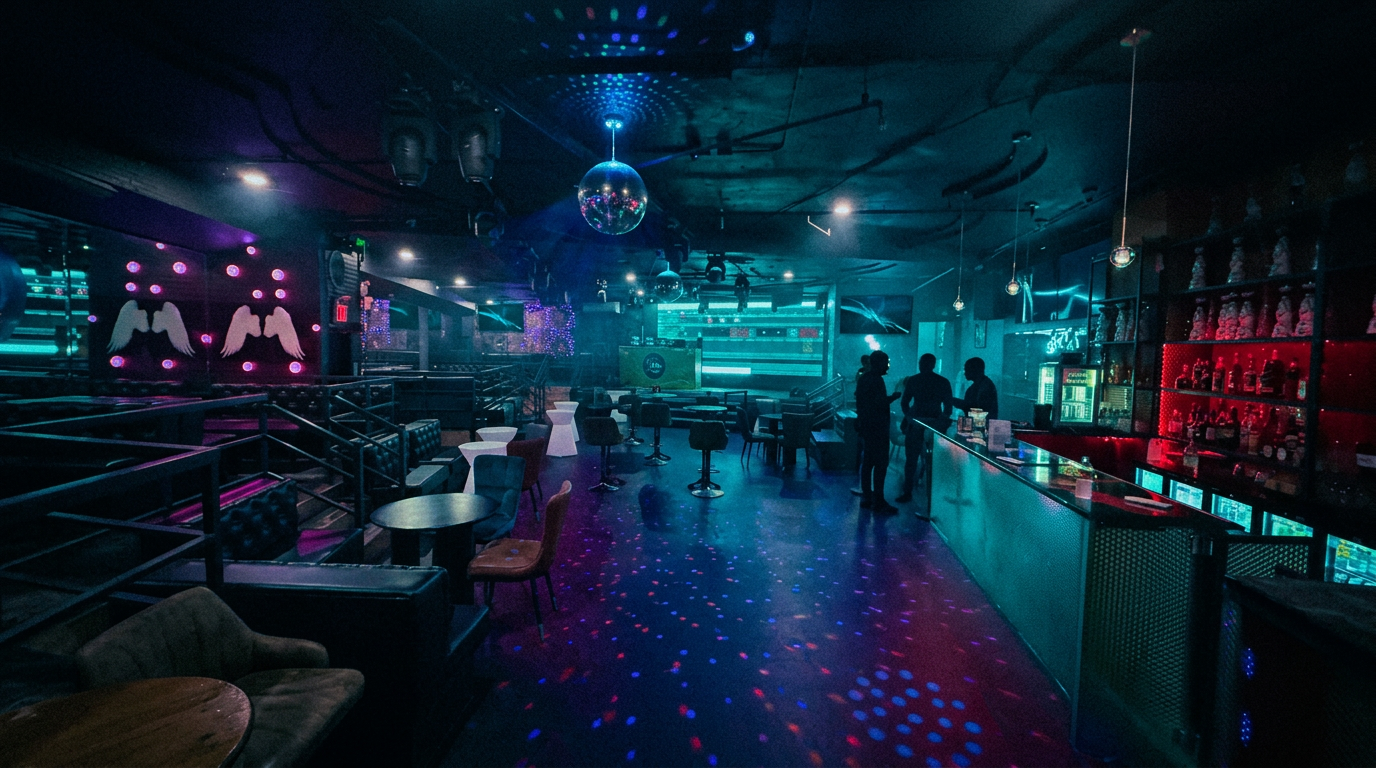
There was a time when finding a Latin party meant catching a flyer outside another party, listening for a radio announcement, or knowing the friend who always knew somebody. Those routes still exist. Now, though, the invitation often arrives while you’re on the train: a dance-floor clip, a tagged Story, a link dropped into the group chat with a simple question—Saturday?
That shift explains how social media changed the way we find latin parties: it moved discovery into everyday life. You can hear a few seconds of the music, see how people dress, and send the night to your friends before reaching your stop. But a good-looking post is only the beginning. Finding your kind of Latin nightlife in NYC still takes judgment, especially when you want more than a crowded room and a familiar chorus.
From the street flyer to the saved post
The printed flyer had a clear job: give you a date, a place, and a reason to show up. Digital flyers do that too, but they travel differently. One person shares a post, another tags a cousin, and suddenly an event in Queens reaches someone in Upper Manhattan who wasn’t looking for plans.
Discovery no longer depends entirely on where you live or which circles you move through. A friend’s repost can introduce you to a party outside your usual neighborhood. A music clip can make you consider a night you would have scrolled past based on the flyer alone.
Still, the old questions matter. Who’s organizing it? Where is it actually happening? Is this the current event or footage from a previous one? Save the post, but open the event page. The useful invitation is the one that survives a second look.
The feed became a preview of the dance floor
Social media gave partygoers something flyers couldn’t: a small window into the room. You might notice couples making space for bachata, friends singing along to an old reggaeton track, or a crowd that seems comfortable dressing up without treating the whole night as a photo shoot.
Those details help when your idea of a good night is specific. Maybe you want salsa and merengue in the mix, not just one token song. Maybe you love old school reggaeton but also want room for afro house. Watching several posts can tell you more than a genre list alone.
The limitation is editing. A packed fifteen-second clip doesn’t establish what the room feels like for four hours. It won’t reliably show entry lines, places to pause, or whether people leave each other dancing space. Treat footage as a sample, not a guarantee, and look for consistency across recaps and current announcements.
Search got local, but it still needs context
People don’t always search in polished sentences. They type “latin party queens ny” while coordinating with friends, or “latin party new york city” when a visitor asks what’s happening that weekend. Social platforms have become another place to ask those questions, alongside search engines and event websites.
The best results connect the mood to actual logistics. Astoria, Jackson Heights, Washington Heights, and the Lower East Side are not interchangeable destinations, especially when your group starts in different boroughs. A neighborhood tag helps you picture the trip, but it isn’t an address or a route plan.
For Astoria, the N and W are useful starting points to investigate, though W service is generally weekday-only. For Jackson Heights, the 7, E, F, M, and R serve the Roosevelt Avenue–74th Street area, with service varying by line and schedule. Always check the exact venue location and current MTA service before choosing your route.
A post may make a party feel nearby. Your transfer and last stretch home decide whether it actually works for your Saturday.
The group chat became the planning committee
Discovery is individual; going out is often collective. One person finds the post, one checks tickets, another asks about music, and someone inevitably wants to know whether anyone is really committing. Social media shortened the distance between seeing a party and discussing it, but it didn’t eliminate indecision.
Make the chat useful by sharing the official event link rather than only a screenshot. Screenshots lose captions, updates, and ticket information. Then settle the details that can quietly derail a night:
- Confirm the date and neighborhood before anyone buys a ticket.
- Agree on an arrival target, not just “later.”
- Decide whether you’re meeting inside or traveling together.
- Check the published entry requirements and any dress guidance.
- Make a realistic plan for getting home if the group splits up.
Choose a specific meeting point that won’t block a venue entrance or subway staircase. If someone runs late, avoid turning the whole evening into a sidewalk wait. A little coordination protects the part everyone actually came for: being together on the dance floor.
Grown nightlife made the questions more specific
For a 30+ crowd, finding a party often means deciding where to spend limited free time. You might be coming off a long workweek, arranging childcare, or crossing the city after dinner. The question isn’t simply whether the night looks busy. It’s whether the experience fits.
That’s where grown Latin nightlife has a different conversation. People may care about recognizable music, a reason to dress well, and a crowd they can relate to. None of that means standing still. Sometimes the grownest person in the room is the one who knows every merengue break and barely leaves the floor.
Latin After Dark NYC describes its experience as grown and upscale, for a 30+ crowd, with old school reggaeton, afro house, bachata, salsa, merengue, and Latin classics. Those specifics help a reader evaluate the fit more clearly than a generic promise of an unforgettable night.
Look for that kind of clarity wherever you’re considering going. “Upscale” alone doesn’t tell you the dress requirements, seating arrangements, or admission terms. Read what’s actually published rather than filling in the blanks from the visuals.
Online visibility changed who gets heard
One meaningful change is that discovery isn’t limited to the organizer’s announcement. A guest’s recap, a friend’s dance video, or a shared memory of a song can introduce a party through someone you trust. The crowd helps tell the story.
In conversations about Latin culture, NYC nightlife is more than a backdrop. It’s where different generations recognize the same chorus, where musical tastes overlap, and where friends bring each other into rhythms they didn’t grow up dancing. A thoughtful recap can show those connections instead of reducing the evening to outfits and bottle shots.
But visibility comes with responsibilities. Ask before posting an identifiable close-up of someone dancing, especially a stranger. Don’t assume that being in a public-facing event means everyone wants to be content. If someone declines a dance or a video, accept it easily.
The best social post makes people curious about the room without making the people inside it feel watched.
Turn a promising post into a reliable plan
Before committing, check that the flyer, caption, and linked event page refer to the same date and location. Look for current information rather than assuming last month’s arrangements still apply. If something essential is missing, ask the organizer directly instead of relying on an old comment thread.
Understand what you’re signing up for, too. A mailing list can help you hear about future dates without depending on the feed. A VIP list may have separate conditions, so verify what it includes. A promoter’s referral link is a route to an event, not automatic proof of special admission benefits.
Once you arrive, let the phone take a smaller role. Keep walkways clear, step off the floor to text, and avoid filming with a bright light in someone’s face. Ask someone to dance without pressure, respect a no, and leave enough space for other couples. Discovery happens on-screen; the night works because people show consideration in person.
Make an upcoming Saturday a real plan
Ready to move something out of the saved folder? Latin After Dark NYC’s next event is DOLLHOUSE, Saturday October 3, at The Zone NYC in Astoria, Queens.
Find [DOLLHOUSE tickets and event information](/events/dollhouse-october-3), share the link with your people, and check the published details before heading out. For questions, contact Mtsproductionsevents@gmail.com or 347-891-5328. Let the post start the conversation—and let an upcoming Saturday bring you onto the dance floor.