Blog · Culture & Recaps
How Promoters Build a Latin Party Crowd in New York City
How NYC Latin party promoters turn personal invitations, thoughtful music, and neighborhood know-how into a crowd that comes ready to dance.
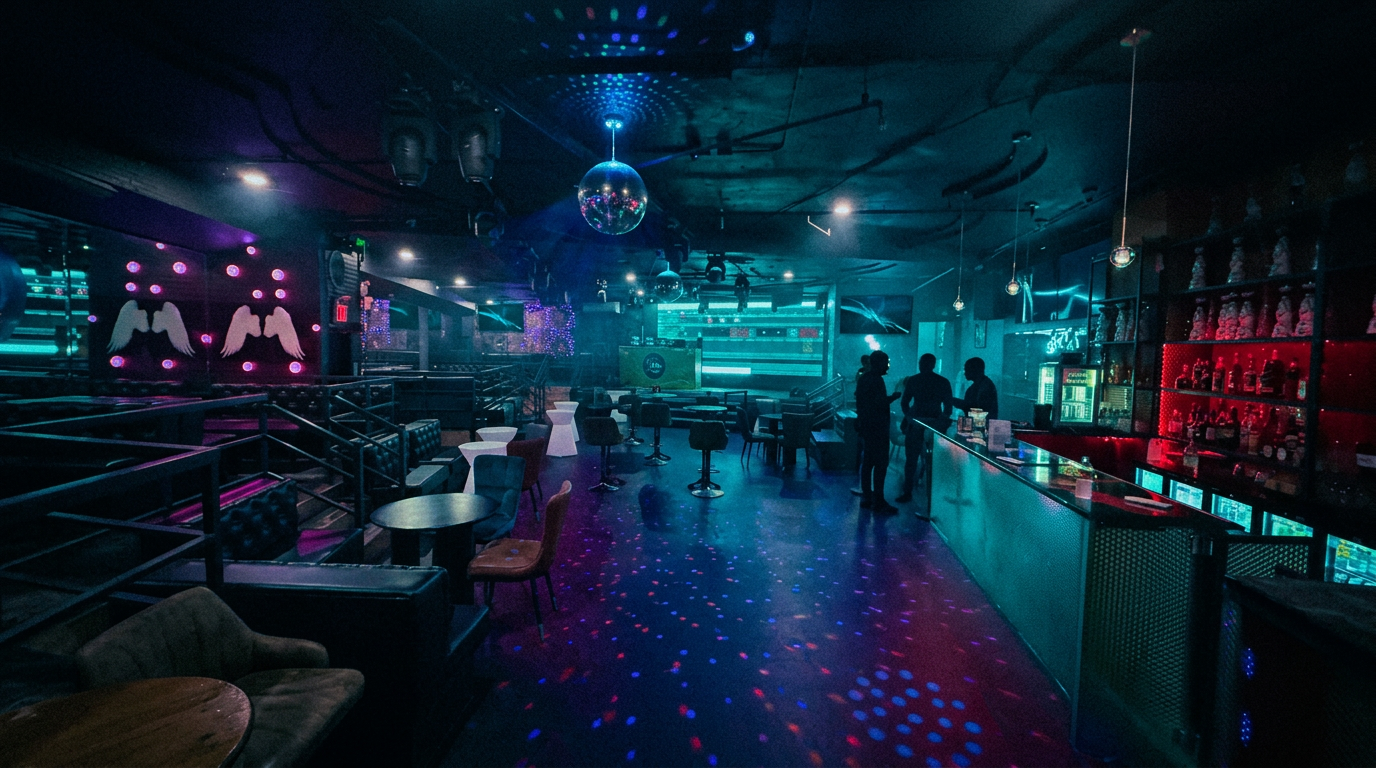
A good Latin party starts before anybody reaches the dance floor. It starts in the group chat where someone asks who is actually going, in the song that makes a friend forward the flyer, and in the details that make getting to Queens feel manageable. By the time the room fills, much of the promoter’s work has already happened.
Understanding how promoters build a Latin party crowd in New York City means looking beyond the flyer. The real work is bringing together people whose expectations match: dancers who want familiar records, friends planning a proper Saturday out, and adults who want an energetic room without feeling like they wandered into someone else’s night. Here is what that work looks like, and why it matters when you choose where to go.
1. They give the right people a reason to say yes
“Latin party” can describe very different nights. One person hears salsa and imagines partner dancing. Another expects reggaeton sing-alongs. Someone else wants bachata, a dressed-up crowd, and enough musical variety to keep the whole friend group happy. A promoter has to make the invitation more specific than the category.
That means communicating the intended crowd, the musical direction, and the overall mood. Grown Latin nightlife is not simply a younger party with a different age label. For a 30+ audience, the practical questions can carry as much weight as the flyer: Is this worth coordinating a sitter for? Will my friends recognize the music? Can we make a clear plan?
Latin After Dark NYC describes its experience as grown, upscale Latin nightlife for a 30+ crowd. That gives potential guests a useful starting point. It does not promise that every person will want the same thing, but it helps people decide whether the invitation sounds like their kind of Saturday.
2. They build through people, not just impressions
A flyer can introduce a party. A trusted friend often makes it feel worth attending. Promoters build a crowd by finding people who connect naturally to other people: the friend who organizes birthdays, the coworker who always wants to dance, or the person who can get a quiet group chat moving again.
The strongest invitation explains why a particular person would enjoy the night. “You always ask for old school reggaeton” is more useful than sending the same unexplained image repeatedly. It gives the recipient something concrete to consider and an easy reason to invite someone else.
Referral links make that relationship easier to track. The brand’s promoter program includes them, alongside a VIP list and a mailing list. These are different ways to stay connected, not interchangeable promises. Guests should check what each option includes rather than assume that joining a list guarantees admission or a particular perk.
Good promotion also leaves room for a no. Persistent pressure might get an answer, but respectful invitations are better for relationships that need to last beyond one weekend.
3. They make New York geography part of the invitation
New Yorkers do not evaluate a party in isolation. They evaluate the trip. Astoria might be an easy choice for someone already in western Queens and a bigger commitment for friends coming from Upper Manhattan, Brooklyn, or the Bronx. A thoughtful promoter treats those differences as logistics, not excuses.
For an Astoria night, the N and W are useful starting points when checking transit, but service depends on the day and time. Saturday riders should not assume the W will be operating; check the MTA’s current service information and planned work. Confirm the venue’s exact location before choosing a station or planning a walk.
Someone searching “latin party queens ny” may be looking for more than a borough label. They may want a night that does not require crossing into Manhattan, or a place where friends arriving from different parts of Queens can meet.
Useful event information makes that decision easier:
- A clearly identified venue and neighborhood.
- A ticket link that is easy to find again.
- Confirmed opening and admission details, when available.
- Any published entry requirements or dress guidance.
- A reminder to plan the trip home, not only the trip there.
4. They use music to describe the room honestly
Music is one of the clearest ways to explain who a party is for. Old school reggaeton can bring recognition before anyone reaches the chorus. Bachata and salsa can invite a different kind of connection, while merengue can pull friends into motion without a long discussion about who dances what.
The brand’s stated music mix includes old school reggaeton, afro house, bachata, salsa, merengue, and Latin classics. For a promoter, naming those sounds helps communicate range. It should not become a promise that a specific song will play or that the genres will appear in a fixed order.
A mixed-format night works best when guests understand that the room may shift. You might spend one stretch dancing with your group, another with a partner, and another catching your breath while a different sound takes over.
That honesty matters in Latin nightlife NYC. Someone seeking nonstop salsa deserves to know when an event offers a broader mix. A well-matched crowd is more valuable than a larger crowd that arrived expecting an entirely different party.
5. They help the first hour feel less uncertain
One of the hardest things to promote is the beginning of a night. People want a lively room, but if everyone waits for everyone else, the opening stretch can feel tentative. Good promoters reduce uncertainty without inventing urgency or pretending the floor will be full from the first minute.
For guests, that means making a realistic group plan. Check the published schedule, choose a meeting time, and decide whether you are traveling together or meeting inside. “We’ll figure it out later” can turn into an hour of messages from different train platforms.
For promoters, clear information is more helpful than unsupported claims about lines or capacity. If an entry cutoff or arrival condition exists, explain the actual terms. If it has not been confirmed, do not fill the gap with a guess.
A night often becomes comfortable through small moments: friends greeting each other, someone recognizing a song, the first few people stepping onto the floor. The crowd is not just something attendees find. It is something they help create.
6. They treat comfort and etiquette as crowd-building
A crowded room is not automatically a good room. People return when they can enjoy themselves without constantly defending their space. Promoters help establish that expectation through the way they invite, communicate, and respond to questions.
On the floor, ask before drawing someone into a partner dance. Accept a declined invitation without commentary. Keep movements controlled when space gets tight, and do not turn the center of a busy floor into a place for extended conversation.
The same consideration applies to phones. A quick photo with willing friends is different from filming strangers at close range. Ask before posting an identifiable person, especially when the clip centers on their dancing.
An upscale atmosphere does not require coldness. It can mean arriving with care, treating staff respectfully, and letting other people enjoy the night on their own terms. That is part of Latin culture NYC nightlife at its most welcoming: shared music and social warmth, without assuming that everybody dances alike or wants the same interaction.
7. They keep the relationship alive after Saturday
Promotion does not end when the music stops. A thoughtful recap gives people who attended a way to remember the night and gives newcomers a clearer sense of the experience. It should represent what happened, not exaggerate the turnout or manufacture enthusiasm.
Follow-up also creates room for useful feedback. Was the event information easy to find? Did the music description match the experience? What made the trip feel worthwhile? Specific answers can improve the next invitation.
For readers searching “latin party new york city,” that consistency is valuable. A mailing list offers a way to hear about future dates without relying on a disappearing social post. Returning guests, meanwhile, can become the people who bring one new friend next time. Trust grows through accurate expectations and nights people genuinely want to repeat.
8. Make a plan for an upcoming Saturday
The next event is DOLLHOUSE, Saturday October 3, at The Zone NYC in Astoria, Queens. Find tickets and review the available event details on the [DOLLHOUSE event page](/events/dollhouse-october-3).
Invite the friend who keeps saying you need a night out, check your route, and agree on a meeting plan. Then come ready to help make the room what you hoped to find: welcoming, grown, and ready to dance.