Blog · Culture & Recaps
How NYC Became the Capital of Latin Dance Music
From mambo ballrooms to Queens dance floors, discover how New York shaped Latin music—and how to experience that history on a night out.
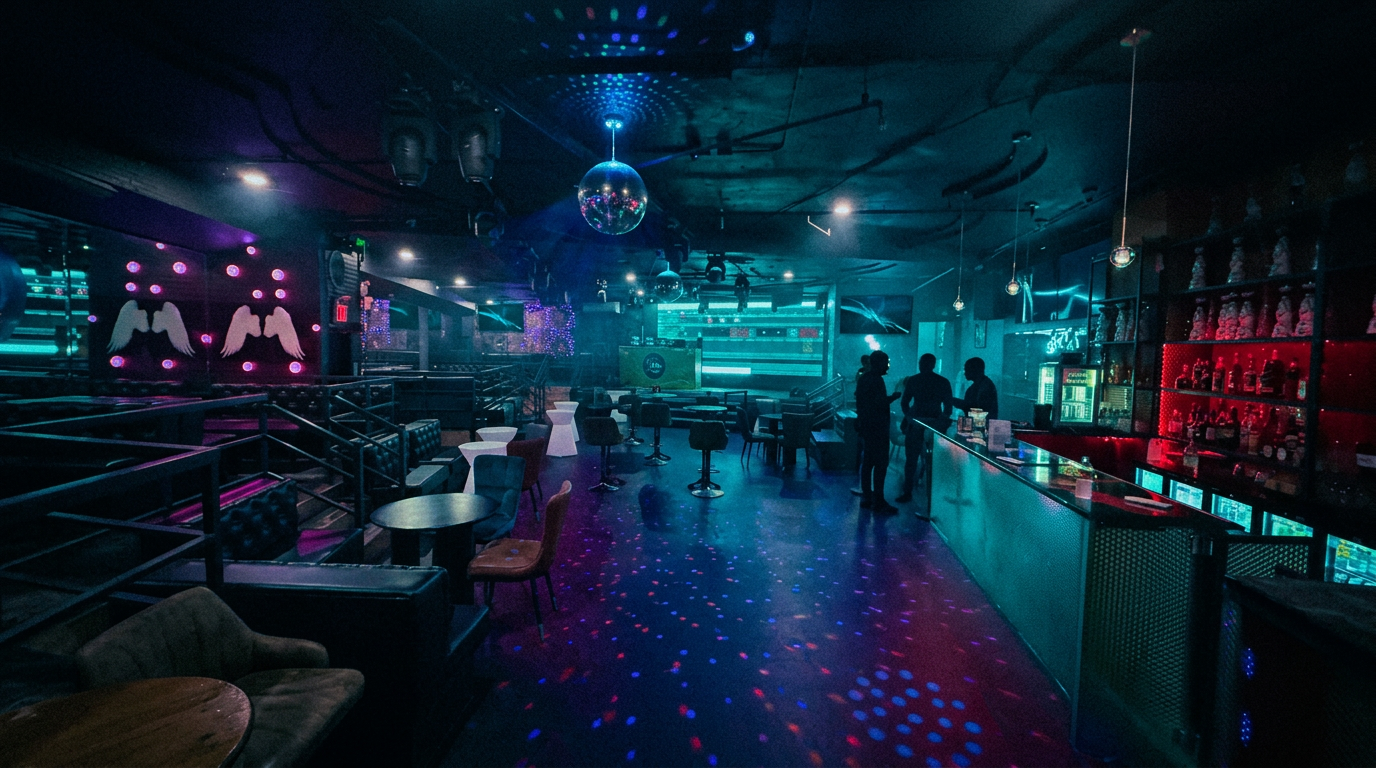
You can hear New York’s Latin music history in the way a dance floor changes gears. A salsa record pulls partners together. Merengue widens the circle. An old school reggaeton intro brings a shout from people who recognize it before the vocals arrive. These aren’t disconnected moments. They’re generations of city life sharing a room. Understanding how NYC became the capital of Latin dance music means following the people who brought their music here, transformed it together, and made going dancing part of belonging.
A capital built by migration, not a single sound
New York didn’t invent every rhythm that fills its Latin dance floors. Salsa draws deeply from Cuban musical traditions, alongside Puerto Rican contributions and other influences. Bachata and merengue have Dominican roots. Reggaeton developed through connections among Panama, Puerto Rico, and broader Caribbean musical cultures. Calling NYC a capital recognizes its role as a meeting place, not its ownership of those sounds.
Across the twentieth century, migration brought musicians, dancers, record collectors, and promoters into close contact. Puerto Rican communities grew in East Harlem and the Bronx, especially during the postwar years. Cuban musicians helped shape the city’s orchestras and recordings. Dominican communities became central to the cultural life of Washington Heights and Inwood.
Music traveled through apartments, social clubs, record shops, radio, and family celebrations before spilling onto commercial dance floors. The city’s density mattered: musicians could meet, dancers could compare styles, and audiences could demand something that reflected life here rather than a frozen version of somewhere else.
Mambo made the dance floor a meeting place
By the mid-twentieth century, mambo helped make New York a major destination for Latin dance music. Bandleaders including Machito, Tito Puente, and Tito Rodríguez shaped an era when a night out could center on an orchestra, a powerful rhythm section, and dancers who listened with their whole bodies.
The famous Palladium Ballroom became a symbol of that period. Its floor brought together dancers from different racial and ethnic backgrounds, although the broader city remained marked by discrimination and unequal access. The important point isn’t that nightlife erased those divisions. It’s that music created encounters that could be harder to find elsewhere.
That era also established an enduring New York habit: dancers weren’t just spectators. Their timing, improvisation, and response helped define the room. You can still feel that exchange at a salsa night when partners catch a musical break together. Technical skill matters, but attention—to the music and to each other—makes the moment work.
Salsa gave a changing city its soundtrack
During the 1960s and 1970s, New York became a crucial center for the music gathered under the name salsa. The label covered a rich mix of styles rather than one newly invented rhythm. Musicians drew on Afro-Cuban foundations, Puerto Rican traditions, jazz, and the energy of urban life.
Fania Records and artists associated with it helped bring that sound to wider audiences. Figures such as Johnny Pacheco, Willie Colón, Héctor Lavoe, and Celia Cruz became central to the story. Records and performances connected New York neighborhoods to listeners across Latin America and beyond.
The Bronx and El Barrio weren’t simply backdrops. They were places where this music carried pride, hardship, humor, and ambition. Songs could speak to a demanding working week while still giving people a reason to dress well and go out.
That combination remains essential to grown Latin nightlife: pleasure without having to leave your history at the door. A familiar chorus can bring back a parent’s records, a childhood kitchen, or your own first proper night dancing.
Dominican rhythms and reggaeton expanded the room
As Dominican New York grew, merengue and bachata became increasingly important to the city’s musical identity. Washington Heights and Inwood developed deep connections to both, through everyday listening as well as nightlife. Merengue brought its propulsive pulse; bachata offered another kind of closeness, shaped by guitar lines, feeling, and partner connection.
New York also helped carry bachata into new musical territory. Bronx-formed Aventura became especially influential in bringing an urban bachata sound to international audiences. Their story is part of a larger pattern: immigrant traditions changing through the experiences of a younger generation raised across cultures.
Reggaeton added another layer. Its history cannot be reduced to New York, but the city’s Puerto Rican and wider Latin communities became important audiences and participants in its circulation. Old school tracks now carry their own nostalgia.
On a mixed-format night, those histories overlap. Someone who sits out a salsa might head straight back for bachata. A reggaeton transition might reunite a group that has been scattered around the room. That variety is one of the pleasures of Latin nightlife NYC: there is more than one way to belong on the floor.
The neighborhoods still shape the night
There is no single neighborhood that contains the whole story. East Harlem and the Bronx are essential to salsa history. Washington Heights and Inwood offer strong connections to Dominican musical culture. Queens brings many Latin American communities into the same borough, with distinct neighborhood identities rather than one uniform scene.
Astoria, Jackson Heights, and Corona shouldn’t be treated as interchangeable destinations. Choose your event first, then plan around its actual location. A search for “latin party queens ny” may help you discover options, but the borough name alone tells you little about music, crowd, or travel time.
For general orientation, the N and W serve parts of Astoria, the 7 runs through Jackson Heights and Corona, and the A and 1 serve parts of Upper Manhattan. Those are neighborhood references, not directions to a particular door. Weekend service can change, so check the MTA before leaving and again before heading home.
If you’re exploring Latin culture, NYC nightlife makes more sense when you pay attention to these local differences. Go for dinner nearby, leave time for the journey, and let the neighborhood be part of the evening rather than just a pin on your phone.
What a good mixed-music night feels like
A good night doesn’t need to stay at maximum intensity. Part of the pleasure is movement between moods: a partner-dance stretch, a run of songs everyone knows, then a different rhythmic texture that gives the room fresh energy.
Latin After Dark NYC is a grown, upscale Latin nightlife experience for a 30+ crowd. Its music includes old school reggaeton, afro house, bachata, salsa, merengue, and Latin classics. That range reflects a city where people’s listening habits rarely fit into one neat category.
If you’re choosing a Latin party New York City can make the options feel endless. Read beyond the flyer’s mood. Look for the music description, intended crowd, confirmed location, and published timing. A salsa-focused social and a mixed-format party can both be excellent, but they offer different nights.
Arriving closer to the advertised start can give you time to settle in before the room gets busier. Don’t assume every event peaks at the same hour, or that an early arrival guarantees a quiet room. Build your plan around the information the organizer actually provides.
Bring good shoes and better dance-floor manners
You don’t need expert footwork to enjoy the city’s Latin dance culture. You do need awareness. Shared space works best when everyone can participate without pressure.
A few habits make the night easier:
- Wear shoes you can comfortably stand and move in, and check any published dress requirements.
- Ask before starting a partner dance. A declined invitation doesn’t require an explanation.
- Keep steps compact on a crowded floor. Save large turns and traveling patterns for open space.
- Don’t dip or lift someone without clear agreement, and never treat a social dance as an unsolicited lesson.
- Step off the main floor to text, regroup, or hold a longer conversation.
- Plan your return trip and leave room in the evening for water and breaks.
Going solo is perfectly reasonable. You can listen, watch, dance independently, or invite someone to partner up when it feels appropriate. There’s no obligation to perform confidence all night. Sometimes the best entry point is simply recognizing a song and letting yourself move.
Make an upcoming Saturday part of the story
New York became a Latin music capital because people kept showing up: bringing records, building communities, making new sounds, and finding each other on the floor. That history is still something you can participate in.
Join Latin After Dark for DOLLHOUSE on Saturday, October 3, at The Zone NYC in Astoria, Queens. [Find tickets on the event page](/events/dollhouse-october-3), check the published details before heading out, and make room in your Saturday for a few songs you’ve missed dancing to.