Blog · Music & Dance
How Afro House Took Over Latin Nightlife Dance Floors
Explore how Afro house found its place in NYC Latin nightlife, from shared rhythms to the way a great Saturday dance floor moves.
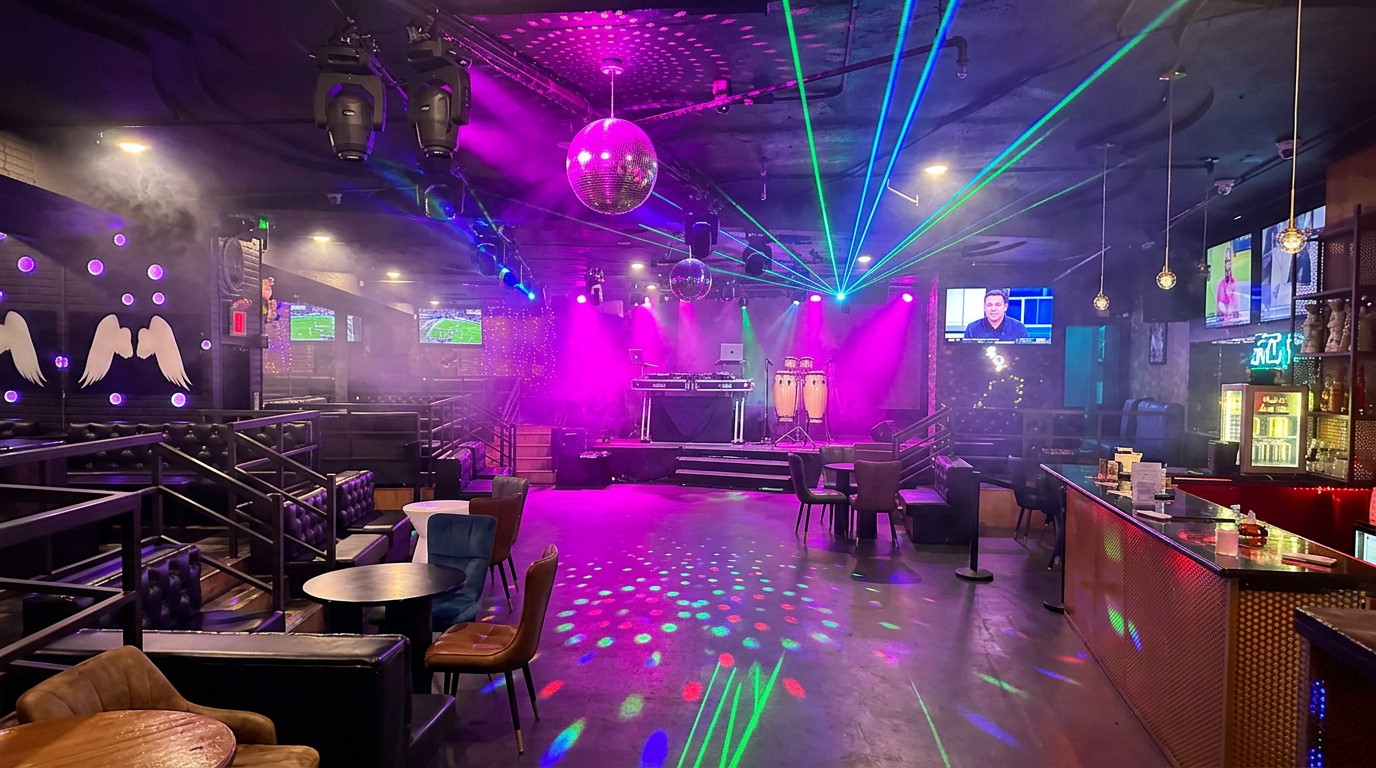
You can feel the change before you name it. An old school reggaeton favorite brings the room together, voices rising over a chorus everybody remembers. Later, the drums stretch out, a bass line settles in, and the dancing becomes less about recognizing the next lyric and more about finding your own pocket. That is where Afro house fits into a Latin night: not as a replacement for the music you love, but as another way to stay inside the rhythm.
To understand how afro house took over latin nightlife dance floors, it helps to look past the word “takeover.” There is no single moment when every room switched sounds. The more interesting story is about compatibility: percussion, patient DJ programming, and dancers willing to follow a groove somewhere new. In New York, that combination has room to breathe.
Different roots, a familiar pull
Afro house grew through African house scenes, with South Africa especially important to its development. It is not simply a Latin percussion loop placed over a house beat, and it is not interchangeable with Afrobeats or amapiano. Those sounds have their own histories, even when DJs let them meet in a set.
What connects Afro house to many Latin dance floors is a shared attention to rhythm. House usually gives dancers a steady four-on-the-floor pulse. Around that foundation, layered percussion, vocals, and repeating musical phrases create movement without demanding that every moment become a big drop.
Many Latin musical traditions also carry deep African roots. That does not make salsa, reggaeton, and Afro house the same thing. It does help explain why a room accustomed to listening closely to percussion can find something familiar in a new arrangement. Your feet may recognize an invitation before your ears recognize a track.
Why the crossover works in a Latin set
A good Latin night needs contrast. Ninety minutes of nothing but peak-energy sing-alongs can be fun, but it leaves little space to reset. Afro house can give a DJ another gear: still danceable, still physical, but less dependent on everyone knowing the words.
Old school reggaeton brings a different kind of connection. A familiar opening can pull people away from the bar almost immediately. Bachata changes the distance between dancers. Salsa adds turns, directional movement, and a sharper awareness of the space around you. Merengue can make the invitation to join feel wonderfully uncomplicated.
Afro house offers another option within that mix. Its longer phrases can encourage people to settle into movement rather than wait for a chorus. A skillful transition respects the difference between dembow and a house pulse; it does not assume that two percussion-heavy songs will automatically blend. When it works, the room keeps its momentum while the texture changes.
What that shift feels like on the floor
Imagine a mixed-format Saturday rather than a dedicated house night. You have already danced to a Latin classic, caught up with a friend, and returned for a reggaeton run. Then the DJ gives the room a steadier pulse and more space between recognizable vocal moments.
At first, some people keep their movements small. A shoulder settles into the beat. Someone who sat out the partner dancing steps forward. Friends form a loose circle without needing to agree on a routine. The pleasure is less about performing the correct move and more about listening together.
That openness can work particularly well for a grown crowd. You can dance with intention without treating every track like a stamina test. It also makes room for people with different musical backgrounds. The salsa regular, the house listener, and the friend who came for throwbacks do not need identical skills to share the floor.
That is one reason Afro house makes sense within Latin After Dark NYC’s grown, upscale experience for a 30+ crowd, alongside reggaeton, bachata, salsa, merengue, and Latin classics.
Finding the right NYC night
Searching “afro house nyc” can lead you toward a house-focused event or a broader party that includes the sound. Both can be great, but they promise different evenings. Read the actual music description rather than deciding from a stylish flyer alone.
The same applies to “bachata dancing new york” and “salsa nyc.” A dedicated social may prioritize sustained partner dancing, while a mixed Latin party moves among genres. If you want several uninterrupted hours of one style, confirm that the event is built around it. If your group likes variety, a mixed format may make choosing a night easier.
Across latin nightlife nyc, the neighborhood matters as much as the playlist. Astoria, the Lower East Side, Washington Heights, and the South Bronx offer different starting points for an evening, but a neighborhood name cannot tell you exactly what one event will play. Check the date, venue, music, and entry details together.
For a latin party new york city search to become an actual plan, send your friends the event link—not just a screenshot with the useful details cropped out.
Build a Saturday that feels easy
A relaxed night usually starts with a few unglamorous decisions made early. Eat something substantial, choose shoes you can actually move in, and work out the trip home before the music gets loud. An upscale atmosphere and comfortable footwear are not opposites; look for a secure fit rather than a pair you will regret after three songs.
For Astoria, the N and W are useful lines to check, but service varies by day and time. Do not assume both will be running for a Saturday trip. Confirm the venue’s address through the event information, check current MTA service, and map the walk from the appropriate station. Weekend work can change a familiar route.
A few practical checks make the evening smoother:
- Confirm the posted start time, ticket terms, and any stated dress requirements.
- Bring your ID, a charged phone, and your ticket confirmation.
- Pick a meeting point before entering, where conversation is easier.
- Check the late-night return route, including any transfers.
- Leave room in your budget for the trip home, not just entry.
Arriving near the posted start gives you time to get oriented. It does not guarantee a full dance floor immediately. Let the room develop instead of judging the whole night from its first few minutes.
Dancing Afro house without overthinking it
You do not need a memorized sequence to begin. Find the steady kick, shift your weight from foot to foot, and keep your knees relaxed. Start with movements small enough that you can notice what the percussion is doing.
As you get comfortable, let your shoulders and upper body respond. You can follow a repeating drum pattern or stay with the main beat. There is no obligation to copy someone nearby, especially if they are drawing on dance traditions or training you do not know.
Coming from salsa or bachata? Resist the urge to force every track into a partner-dance structure. You can face someone and share the rhythm without establishing a formal lead and follow. Coming from reggaeton? Keep your sense of grounded movement, but listen for the different pulse rather than expecting the same accents.
The goal is not to look like you belong. It is to listen closely enough that belonging stops being the question.
Keep the floor welcoming
Mixed-format nights work best when dancers respect changing space. A salsa turn needs different clearance from a group swaying to house. Before extending an arm or traveling across the floor, look around. Smaller steps are often the more considerate choice when the room gets busy.
Ask before initiating close contact, and accept a no without negotiation. Sharing a groove is not permission to touch someone. Keep drinks away from active dancing, and move conversations out of the main traffic paths when possible.
Phones deserve the same consideration. A quick memory with your friends is different from filming strangers at close range. The best dance floors feel like places where people can loosen up without becoming somebody else’s content.
Make an upcoming Saturday yours
Ready to hear how these sounds sit together? Join Latin After Dark for DOLLHOUSE on Saturday, October 3, at The Zone NYC in Astoria, Queens. The music mix includes old school reggaeton, Afro house, bachata, salsa, merengue, and Latin classics for a grown, upscale 30+ crowd.
[Find tickets and event details](/events/dollhouse-october-3), share the plan with your people, and give yourself a Saturday with room to dance.