Blog · Culture & Recaps
Dominican, Puerto Rican and Colombian Nights in NYC
Explore Dominican, Puerto Rican and Colombian influences on NYC dance floors, with practical tips for a grown Saturday night in Queens.
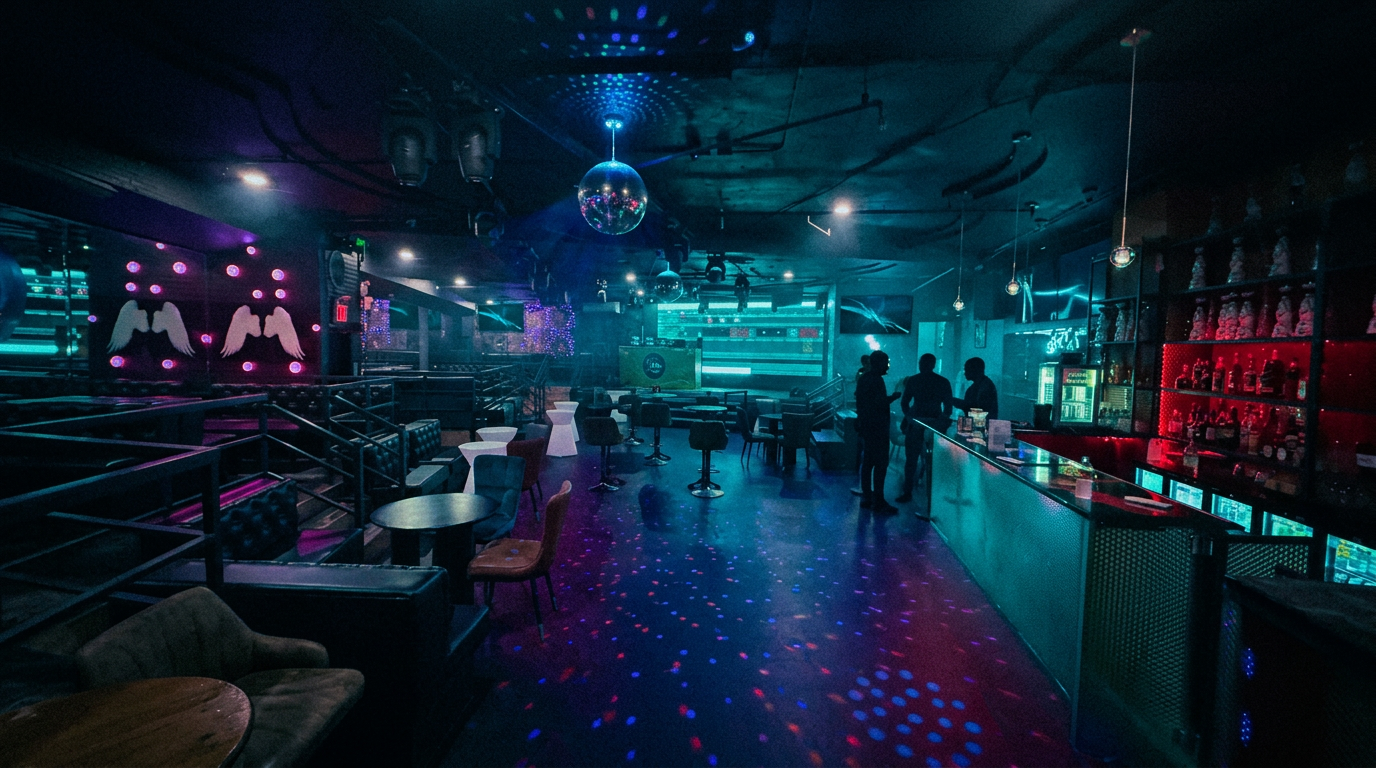
The best Latin nights in New York rarely stay inside one musical border. A bachata brings two people closer, a salsa pulls friends away from their conversation, and an old school reggaeton track turns a quiet corner into a singalong. Dominican, Puerto Rican and Colombian nights in NYC have distinct cultural roots, but the dance floor is often where those roots meet.
For a grown crowd, that mix is part of the appeal. You want music with memories attached, space to enjoy your company, and a reason to put your phone away. Understanding the traditions behind the soundtrack makes the night richer—and knowing how to plan the trip makes it easier to actually go.
Three traditions, one very New York dance floor
Dominican music brings bachata and merengue into the conversation immediately. Bachata can make a large room feel intimate, while merengue offers an inviting rhythm for friends who want to dance together without worrying about elaborate footwork. Neither genre belongs to only one mood: the selection can move between longing, playfulness, romance and celebration.
Puerto Rican contributions run deep through salsa and reggaeton, including the music’s relationship with New York itself. Salsa’s development is inseparable from exchanges among Puerto Rican, Cuban and other Caribbean musicians and New York communities. Reggaeton carries its own cross-border history, with Puerto Rico central to its growth and global reach.
Colombian dancers and listeners bring strong salsa traditions, alongside cumbia, vallenato and other regional sounds. Not every mixed Latin party will play all of those genres. Still, the way guests respond to familiar rhythms helps shape the room as much as the person selecting the music.
These are influences, not personality tests. Your background does not determine what you dance to, and nobody needs to prove cultural credentials before stepping onto the floor.
Read the city through its neighborhoods
Washington Heights and Inwood are important places to understand Dominican New York. A night uptown can begin with dinner, a walk along a busy commercial strip, or meeting friends before heading elsewhere. The A and 1 serve different parts of these neighborhoods; choose your station based on the actual destination rather than treating all of uptown as one stop.
East Harlem and the Bronx hold deep Puerto Rican histories, including generations of musical and social life. Those histories extend far beyond a single party flyer. They live in family celebrations, neighborhood institutions and the records people still request when they finally get a night out.
In Queens, Jackson Heights, Elmhurst and Corona offer overlapping Latin American communities rather than neatly separated national scenes. Colombian businesses and community life are especially visible in Jackson Heights and nearby areas. Roosevelt Avenue is a useful orientation point, with the 7 connecting several neighborhoods and other lines intersecting at Jackson Heights–Roosevelt Avenue/74 St–Broadway.
Astoria adds another Queens setting for a night out. It is not interchangeable with Jackson Heights, so check the route between dinner and your destination. When people talk about Latin culture NYC nightlife, these neighborhood differences matter as much as the playlist.
Listen for the changes in energy
A mixed-format night works best when you enjoy the transitions instead of waiting for one genre all evening. Salsa asks for a different kind of attention than reggaeton. Bachata can draw people into pairs; a merengue can make joining in feel less intimidating. A familiar chorus may get a bigger response than the most technically impressive mix.
Old school reggaeton often brings shared recognition: friends exchanging a look before the hook, someone remembering an earlier chapter of their life, a whole group suddenly finding its energy. Latin classics can create similar moments across generations, even when everyone remembers the song from a different place.
Afro house introduces another rhythmic texture. It is not a substitute for Dominican, Puerto Rican or Colombian traditions, but it can sit alongside them in a broader contemporary set. At Latin After Dark NYC, the stated music mix includes old school reggaeton, afro house, bachata, salsa, merengue and Latin classics.
That range is worth noticing when choosing an event. If your ideal evening is uninterrupted salsa or exclusively bachata, a mixed Latin night may not match that expectation. Go for the variety rather than assuming every request will become the next track.
What grown Latin nightlife means in practice
Grown Latin nightlife is less about standing still in expensive clothes and more about being intentional. You have arranged your Saturday, coordinated with friends and chosen somewhere you actually want to spend time. You can dress up, dance hard and still prefer a conversation that does not feel like a competition.
For a 30+ crowd, comfort deserves a place in the outfit. Choose shoes you can turn in safely and clothes that let you move. If you are trying a new pair of shoes, Saturday night is not the ideal moment to discover that they hurt after twenty minutes.
An upscale description does not automatically tell you the admission rules or dress code. Read the event information before leaving, and ask about anything unclear rather than assuming sneakers, hats or a particular outfit will be accepted.
Agree on the basics with your group beforehand: who is traveling together, whether dinner is part of the plan, and how you will reconnect if someone steps outside. Small decisions made early keep the night from becoming a group-chat negotiation.
Plan the Queens trip before getting dressed
Searching for a Latin party Queens NY can surface events across a large borough. Look beyond the word “Queens” and confirm the neighborhood, venue location and current transit route. A destination in Astoria may involve a very different trip from one near the 7 in Jackson Heights.
The N and W serve parts of Astoria, but the W normally operates on weekdays, so do not build a Saturday itinerary around it. Weekend service changes can also affect the N and connecting lines. Check current MTA information both before departing and before heading home.
A simple pre-night checklist helps:
- Confirm the event date, door time and entry requirements on the event page.
- Save your ticket confirmation where you can find it easily.
- Bring your ID and charge your phone before leaving.
- Check the exact venue location rather than navigating only to the neighborhood.
- Build in time for dinner, transfers and the walk from transit.
- Decide on a safe return trip, especially if you plan to drink.
Do not assume a listed start time guarantees a full dance floor immediately. Arriving earlier can make meeting your group easier; arriving later means accepting that the room may already be busy. Choose based on your priorities, not an imaginary universal “best” arrival time.
Make the floor welcoming
Good dance-floor etiquette is straightforward: ask, notice the answer, and respect it. An offered hand is an invitation, not a claim on someone’s evening. A declined dance does not need an explanation, and accepting one song does not commit anyone to another.
In partnered dancing, keep movements appropriate to the available space. A crowded social floor is not the place for forceful dips, oversized turns or teaching an unwilling stranger. If you are less experienced, a small basic step and a relaxed attitude are enough to participate.
The same consideration applies outside partner dances. Avoid backing into other groups, keep drinks away from active footwork, and do not film strangers up close without permission. Friends may love a quick photo; neighboring dancers may simply want a private night out.
Warmth makes Latin nightlife NYC memorable. Give someone room, thank your partner, and let different skill levels coexist without turning the evening into an audition.
Choose the night that fits your people
Before buying tickets, ask what your group actually wants. Is it a birthday with plenty of dancing, a date with familiar music, or a reunion that needs both conversation and movement? “Latin party New York City” is a useful starting search, but it cannot answer those questions for you.
Look for clear information about the audience, music and location. A grown, upscale experience for a 30+ crowd offers a different starting point from an event with no stated audience. Neither description guarantees chemistry; it helps you choose with better expectations.
Be equally careful with access details. If you see a VIP list, confirm what it includes rather than assuming complimentary admission, seating or expedited entry. For event questions, contact Mtsproductionsevents@gmail.com or 347-891-5328.
Make a plan for Saturday
Bring the friends who light up at a familiar chorus, and leave room for a rhythm you did not expect. The next Latin After Dark event is DOLLHOUSE, Saturday October 3, at The Zone NYC in Astoria, Queens.
Find tickets and check the latest event details on the [DOLLHOUSE event page](/events/dollhouse-october-3). Pick your outfit, plan the ride, and make an upcoming Saturday about being together on the dance floor.