Blog · Culture & Recaps
Behind the Scenes: Choosing a Venue for a Latin Party
Go behind the scenes of choosing a Latin party venue, from dance-floor flow and sound to the trip home from Queens.
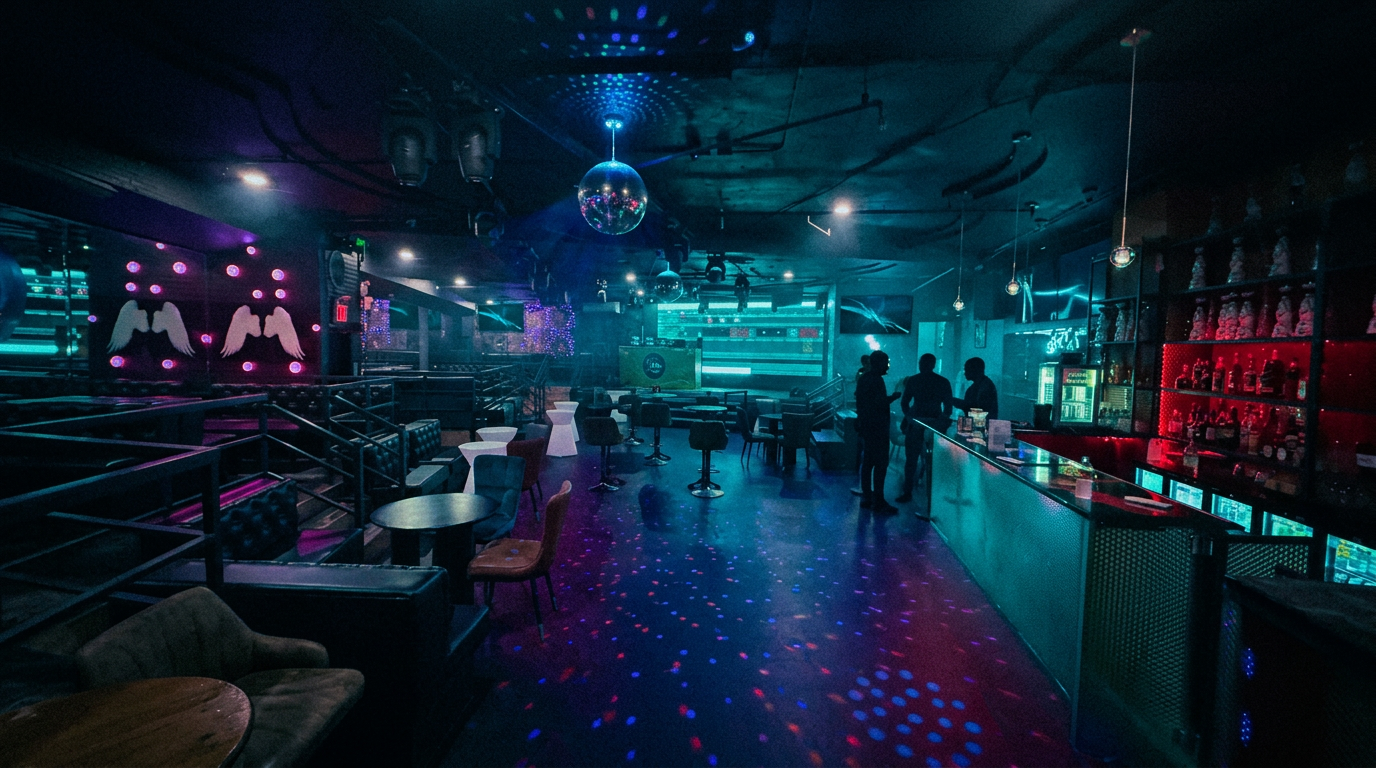
A Latin party starts long before the first familiar chorus brings everyone onto the floor. It starts with a room: where the entrance lands, how the bass travels, whether two people can dance bachata without blocking the bar, and how guests will get home when their feet finally ask for a break. Going behind the scenes of venue selection reveals something important about New York nightlife: a beautiful space is only useful if it supports a good night.
For a grown crowd, that means thinking beyond the photograph. The room needs to hold energy without making every interaction feel like work. Here is what matters when choosing a setting for Latin music, real dancing, and a Saturday worth leaving the apartment for.
Start With the People, Not the Decor
Before considering lighting or furniture, picture the guests arriving. Some are meeting friends after dinner. Others are coming straight from a packed week and need a little time before they feel ready to dance. A couple might want salsa; a solo guest might be hoping for an easy place to settle in without feeling stranded.
Latin After Dark NYC is a grown, upscale Latin nightlife experience for a 30+ crowd. Choosing a venue for that audience means taking comfort seriously without confusing comfort with a quiet evening. People can want a polished setting and still want to sing an old school reggaeton hook at full volume.
The useful question is not simply, “Does this room look upscale?” It is, “Can people enjoy themselves here for several hours?” Places to pause, clear circulation, and a welcoming arrival matter as much as the visual impression. Grown Latin nightlife works best when the setting respects both your energy and your limits.
Read the Neighborhood Before Reading the Floor Plan
A venue is part of a whole evening, not an isolated destination. Astoria, Jackson Heights, the Lower East Side, and Washington Heights each suggest different meeting points, travel plans, and ways of moving through the night. None is automatically the right answer. The right neighborhood depends on who is coming and what the event promises.
For someone searching “latin party queens ny,” Queens may be the practical center of the plan rather than an alternative to Manhattan. Friends may be coming from different parts of the borough, while others are crossing from Brooklyn or taking the train uptown before transferring.
Astoria is served by the N and W along the elevated line, but Saturday travel needs a closer look: the W generally does not run on weekends, and service changes can affect the N. Confirm the venue’s exact location before choosing a station, then check current MTA service. A neighborhood name alone does not tell you the nearest stop or the length of the walk.
Walk the Room as a Dancer
An empty room can look enormous. Add a bar queue, small groups catching up, and dancers turning through a salsa phrase, and that same room starts revealing its limitations. Venue selection should include imagining movement, not just counting how many people can stand inside.
Partner dancing needs usable floor space. Bachata and salsa become frustrating when a main walkway cuts through the middle of the dance area. Merengue can bring more people into motion quickly, while a familiar reggaeton track may pull a whole friend group off the sidelines at once.
A useful walkthrough asks:
- Can guests reach the bar and restrooms without crossing the busiest dancing area?
- Is the floor even, dry, and suitable for controlled turns?
- Are steps and changes in level easy to see?
- Can someone take a break without blocking an exit or a service route?
- Is there an accessible route into the event space and to essential facilities?
- Can staff see and respond to problems across the room?
These are questions to verify with a venue, not details to assume from its photos. A strong layout lets the night expand naturally instead of turning every drink order into a negotiation.
Listen for More Than Bass
The music has to feel good across different styles. Old school reggaeton wants weight and momentum. Salsa asks you to hear rhythmic detail. Bachata needs enough clarity for dancers to catch its changes, and afro house benefits from a sound system that can sustain a groove without becoming exhausting.
A sound check should consider more than the spot directly in front of the DJ. Walk toward the edges, the bar, and any seating areas. Does the sound become harsh in one corner? Do vocals disappear elsewhere? Is there somewhere to exchange a few words without shouting into another person’s ear?
Latin classics also bring a social kind of energy: recognition, singing, and the moment someone turns to a friend because they both know what comes next. Good sound supports those moments rather than flattening every song into the same loud thump.
For Latin nightlife NYC audiences, musical variety is part of the appeal. The venue should support that range, not force the entire night into one sonic shape.
Make Arrival Feel Like Part of the Welcome
The door sets the emotional temperature. Guests who arrive ready to celebrate should not have to guess which line to join, where tickets are checked, or whether their group needs to enter together. Clear instructions are a small detail with an outsized effect.
Before an event, organizers should confirm check-in procedures, identification requirements, any bag policy, and how different admission categories are handled. If a VIP list is offered, its terms should be clear; guests should never have to infer that joining a list guarantees admission or includes a particular benefit.
Timing deserves the same care. Published event hours should guide the plan, not assumptions about when New York parties “really” start. If you prefer a little breathing room to orient yourself, arriving closer to the announced opening may suit you better than aiming for the busiest stretch.
For guests, having a ticket ready and identification accessible keeps the line moving. For hosts, patient explanations and consistent policies help the entrance feel organized rather than adversarial.
Treat Comfort and Etiquette as Infrastructure
A welcoming dance floor depends on both the room and the people in it. Ventilation, restroom access, drinking water availability, and a place to reset are practical considerations worth discussing with venue staff. So are staffing, emergency exits, and how guests can ask for help.
Etiquette is the human side of that infrastructure. Ask before pulling someone into a dance. Accept a no without pressing for a reason. Keep drinks away from active partner dancing, and scale your movements to the space available. A crowded floor is not the place for expansive turns that put strangers in the landing zone.
Phones deserve some restraint, too. Recording a favorite chorus is different from filming someone closely without permission. The best atmosphere leaves people room to participate without feeling watched.
Discussions of Latin culture NYC nightlife often focus on music and identity. Hospitality belongs in that conversation as well: making room for different dance abilities, different comfort levels, and people who came simply to enjoy the songs.
Separate a Beautiful Promise From Verified Details
Venue selection includes less glamorous work: confirming what is actually available on the event date. Furniture arrangements, staffing, accessibility, entry procedures, and production needs should be discussed directly rather than carried over from an old listing or a previous visit.
Guests benefit from the same distinction. A search for “latin party new york city” can produce plenty of appealing images, but a useful event page should help you make a real plan. Check the date, location, announced hours, ticket terms, and any published entry guidance before coordinating the group chat.
If a detail affects whether you can attend comfortably, ask ahead. That might mean step-free access, seating, or a specific admission question. For DOLLHOUSE inquiries, contact Mtsproductionsevents@gmail.com or 347-891-5328 rather than relying on guesses in a comment thread.
The strongest venue choice connects the promise of the night with what the space can genuinely deliver. That is the work behind an evening that feels effortless.
Join Us on an Upcoming Saturday
Put the room, the music, and your people together at DOLLHOUSE, Saturday, October 3, at The Zone NYC in Astoria, Queens. Explore [event details and tickets](/events/dollhouse-october-3) on the Latin After Dark site, check your Saturday travel route, and make a plan with someone you love dancing beside. We would love to see you on the floor.