Blog · Music & Dance
Bad Bunny Era vs Old School Reggaeton: What Clubs Play Now
From Bad Bunny singalongs to old school perreo, here’s how to find your rhythm on a Latin dance floor in NYC.
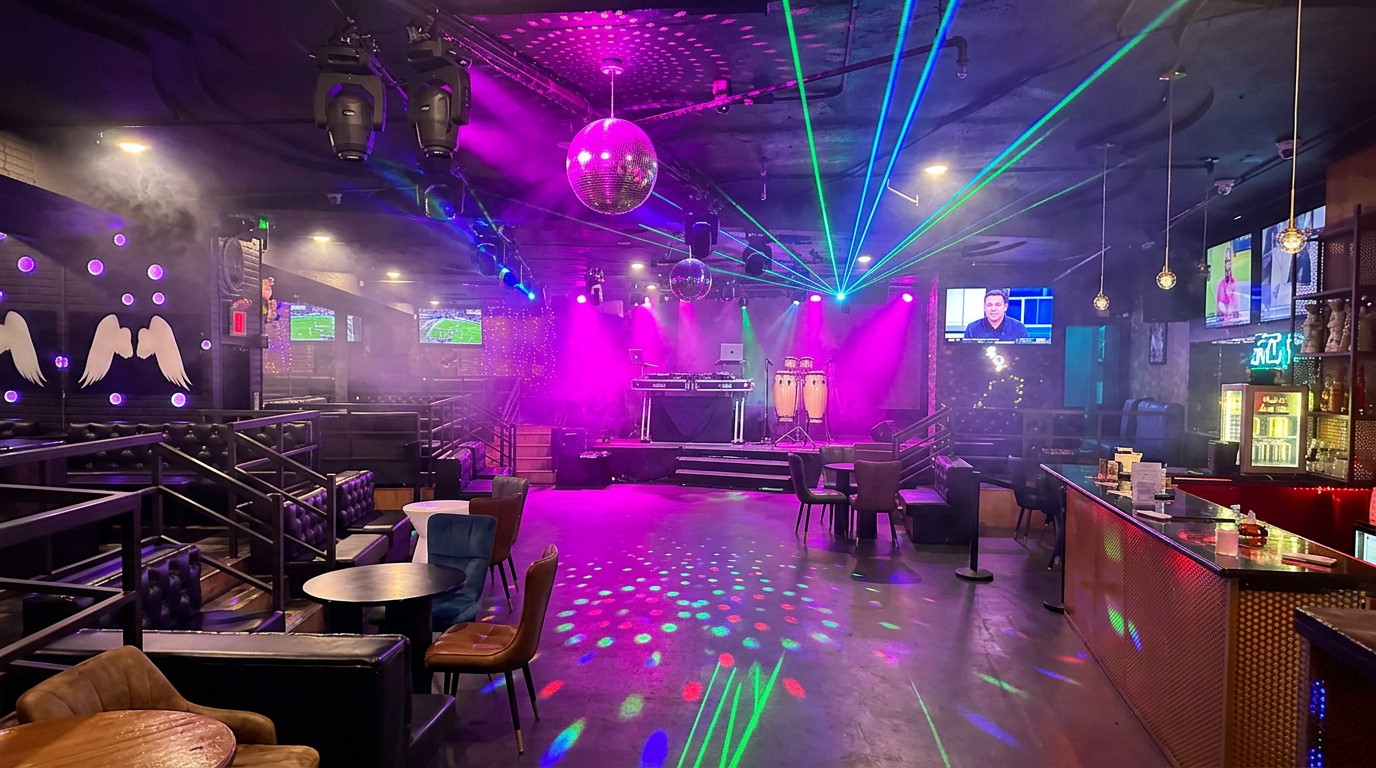
The real question behind Bad Bunny era vs old school reggaeton isn’t which one wins. It’s what kind of night you want. Do you want the whole room singing a chorus together, a run of dembow that barely lets you catch your breath, or enough musical variety to switch from perreo to partner dancing without leaving the party?
In New York, those moods can share a dance floor. But a Latin night is not automatically a reggaeton night, and a reggaeton night doesn’t necessarily mean wall-to-wall throwbacks. Knowing the difference helps you pick a party, coordinate with friends, and arrive expecting the right kind of energy—not spend the first hour waiting for a song the DJ was never planning to play.
What the Bad Bunny era changed
“Bad Bunny era” is useful shorthand, not a strict genre. It describes a contemporary Latin urban landscape where reggaeton sits alongside Latin trap, pop, electronic textures, and songs that change emotional gears as easily as rhythmic ones. Bad Bunny didn’t invent that range, but his catalog makes it especially recognizable.
On a dance floor, that range matters. A DJ can move from a loose, summery groove into a heavier track, then land on a chorus that turns a group of friends into a very enthusiastic choir. Sometimes the vocal is the main event. People dance, pause to sing, point at their friends, and get back into the beat.
That isn’t less serious dancing. It’s a different social rhythm. If your ideal night includes big shared recognition moments alongside movement, contemporary reggaeton offers plenty of room for both.
What old school reggaeton brings back
Old school reggaeton usually points toward the genre’s earlier club staples, especially the late 1990s and 2000s. Think Daddy Yankee, Ivy Queen, Tego Calderón, Don Omar, Wisin & Yandel, and Zion & Lennox. The boundaries are fuzzy; what counts as a throwback depends partly on when you started going out.
The appeal is more than nostalgia. Many of those records put an insistent dembow rhythm and a direct hook right up front. A familiar opening can make the room react before the first full verse arrives. You don’t need to know every lyric to understand what your knees are supposed to do.
For a 30+ crowd, there can also be a personal connection: college parties, early club nights, someone’s car stereo. But nobody needs to pass a memory test. Good throwbacks work on first contact, too. The beat gives you a way in, even when everyone around you seems to know the ad-libs.
What clubs play now: expect a blend, not a verdict
There’s no single playlist that represents all of New York. A dedicated reggaeton party, an open-format Latin event, and a salsa social have different promises. Even within one category, the balance can change with the promoter, the crowd, and the point in the night.
A mixed Latin set might connect newer reggaeton to older records through a familiar rhythm, then change direction with merengue or bachata. Another party might stay almost entirely in contemporary urban music. Neither approach is inherently better; the important thing is whether the event description matches what you came to hear.
Read the actual music listing, not just the word “Latin.” Look for whether throwbacks are central or simply mentioned alongside several other genres. Recent event clips can offer clues, but one explosive chorus doesn’t document a whole evening. For Latin nightlife NYC searches, the most useful result is usually the one that clearly tells you its musical identity—not the one making the biggest claim about being unforgettable.
Why afro house, bachata, and salsa belong in the conversation
The choice isn’t always old versus new reggaeton. Sometimes the better question is how much contrast you want. Afro house can introduce a rolling, layered groove that invites sustained movement rather than constant lyric recognition. It gives you another way to inhabit the floor: less waiting for the hook, more settling into the pulse.
If you’re searching afro house NYC, check whether you’re looking at an event centered on that sound or a broader party that includes it. A few selections within a Latin night are a different experience from an evening built around house music.
The same distinction matters for bachata dancing New York and salsa NYC searches. Dedicated socials may emphasize extended partner dancing, while a mixed nightlife event might offer those styles in shorter stretches. Neither format guarantees a lesson, so don’t assume instruction is included unless it’s listed.
Merengue and Latin classics add another route into the room. A change in rhythm can bring people off the sidelines, reunite a scattered friend group, or give you a welcome reset after a dense reggaeton run.
Pick the neighborhood, then plan the trip
Choose the music first, then make the geography work. Manhattan, Brooklyn, and Queens all contain different nightlife pockets; a borough name alone won’t tell you the age mix, dress expectations, or playlist. Astoria, the Lower East Side, Williamsburg, and Washington Heights also mean very different journeys depending on where your group starts.
For Astoria, the N and W are useful lines to investigate, but check service for your actual travel day: the W normally runs on weekdays, and weekend work can change your route. Don’t assume a venue is near a particular station just because its listing says Astoria. Confirm the location and final walk before leaving.
Give yourself a travel buffer instead of building a plan around the last possible train connection. Check MTA updates that afternoon and again before heading home. If friends are coming from different boroughs, agree on a meeting point that won’t block the entrance. A calm arrival does more for the night than twenty messages asking who’s outside.
Read the listing before you get dressed
A little preparation prevents the usual friction. Before committing to a Latin party New York City listing, look for concrete details rather than assuming every event works the same way.
- Music: Is old school reggaeton the focus, or part of a multi-genre mix?
- Timing: Check doors, any advertised programming, and ticket-entry conditions.
- Admission: Confirm age requirements, ID rules, and whether advance registration is necessary.
- Clothing: Follow the published dress code, and choose shoes you can actually dance in.
- Group plans: Set a meeting time and a backup plan if someone arrives late.
- Getting home: Save your route and decide whether you’ll leave together or separately.
Don’t assume the opening stretch will sound like the busiest part of the night. DJs may build energy gradually, and arriving early gives you space to get oriented. Arriving later may mean walking into a fuller room, but it can also mean missing music you wanted. Without a published set schedule, there’s no reliable minute when the throwbacks are guaranteed to start.
Dance-floor etiquette works across eras
Reggaeton can be close and playful without making anyone’s space public property. Make eye contact, offer an invitation, and wait for a clear yes before moving into close contact. If someone turns away or creates distance, let them. A favorite song is not permission to grab a stranger.
For salsa or bachata, a simple invitation is enough. Accept a no without negotiating, and keep your steps appropriate to the space and your partner’s comfort. A crowded nightlife floor is not the place for sprawling combinations, dips, or unsolicited instruction. You can have an excellent dance with basic steps and good attention.
Keep drinks away from active dancing where possible, step aside for longer conversations, and avoid filming strangers at close range. If you’re new, start with a small bounce or basic step and listen. Nobody needs a polished routine to belong. The best contribution you can make is being responsive—to the rhythm, your partner, and the people sharing the floor.
Make an upcoming Saturday your test drive
If your answer is “throwbacks, but not only throwbacks,” Latin After Dark NYC is a grown, upscale Latin nightlife experience for a 30+ crowd. Its music spans old school reggaeton, afro house, bachata, salsa, merengue, and Latin classics: a fit for friends who don’t all want the same rhythm all night.
Join an upcoming Saturday at DOLLHOUSE, Saturday October 3, at The Zone NYC in Astoria, Queens. Find tickets and review the event details on the [DOLLHOUSE event page](/events/dollhouse-october-3). Bring your people, wear shoes you trust, and leave room for a song you didn’t know you needed.