Blog · Music & Dance
Amapiano and Afro House in Latin Clubs: Why It Works
How amapiano and Afro house fit a Latin dance floor, plus practical tips for a grown-up Saturday night out in Astoria.
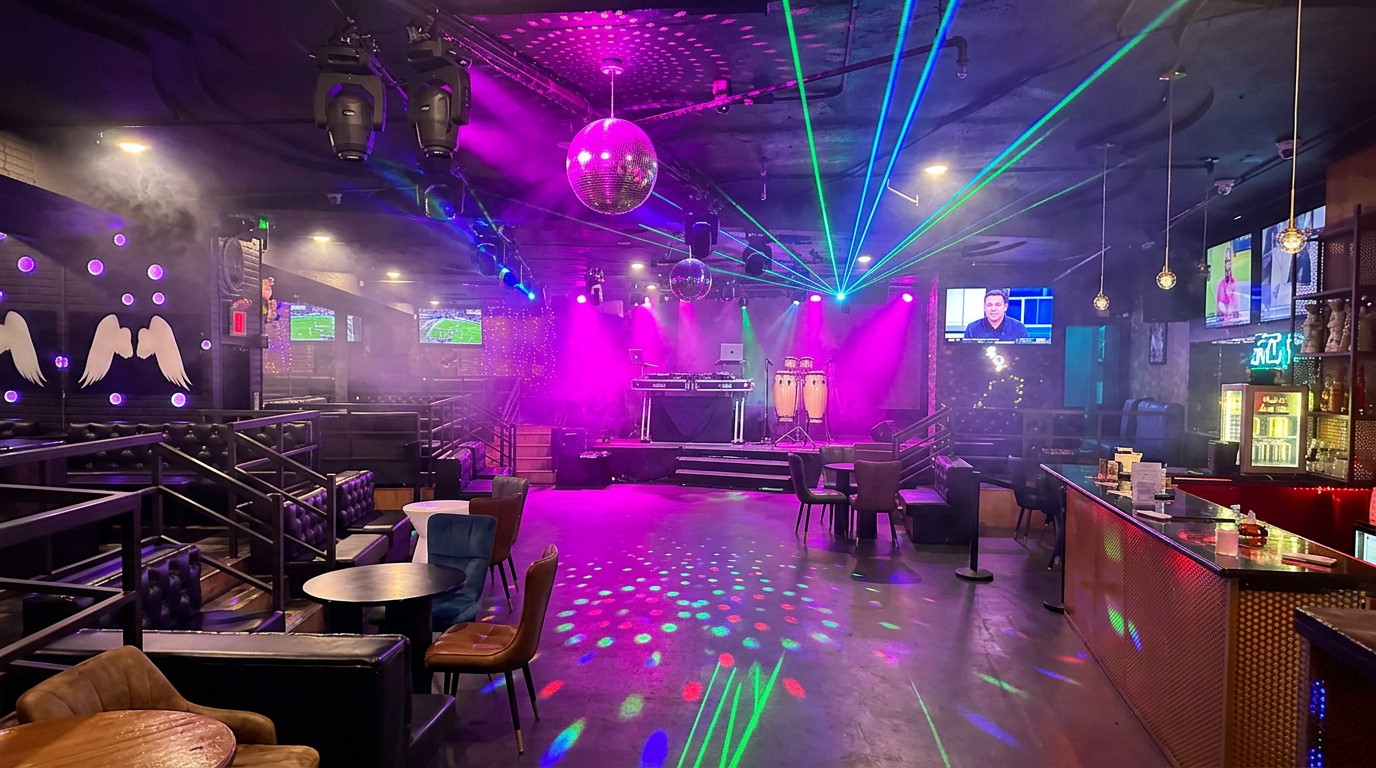
You came for the familiar opening of an old school reggaeton track. Then the DJ moves into something airier: a steady kick, layered percussion, a bassline that gives your shoulders somewhere to go. Nobody needs to announce a new chapter. Your group keeps moving, and suddenly the connection makes sense.
That is the appeal of amapiano and afro house in latin clubs. These sounds are not interchangeable, and they do not need to be. In a thoughtful set, they offer different ways to inhabit the same dance floor: close and conversational, loose and playful, or completely absorbed in the groove. For a grown crowd that wants more than one tempo all night, that range can make the evening feel richer rather than scattered.
Different sounds, shared room for movement
Amapiano emerged in South Africa, with roots commonly associated with township scenes in Gauteng. Its spacious arrangements, shuffling percussion, and distinctive log-drum bass can create a rolling, unhurried feel. Some tracks are soft and atmospheric; others hit with much more force. The genre has its own dance culture, not just a beat waiting to be dropped into another scene.
Afro house also has strong South African roots, within a wider African and international house landscape. It often builds around a four-on-the-floor pulse, layered percussion, and vocals or melodic phrases that unfold gradually. Compared with a hook-heavy Latin party track, the payoff may arrive through accumulation rather than a sudden chorus.
Neither genre is simply “Latin music with a different drum.” The connection is in how dancers respond to rhythm, repetition, and space. A Latin crowd already comfortable switching between salsa, bachata, merengue, and reggaeton has practice changing gears without treating every transition as a reason to leave.
Why the crossover feels natural
A strong mixed-format night does not require every song to sound alike. It needs a thread you can feel. That might be percussion, a vocal texture, a shared energy level, or the way one bassline leaves room for the next.
Old school reggaeton brings recognition and release. You hear a familiar phrase, look across the circle, and find somebody already mouthing the words. Afro house can keep that collective energy moving while giving the room a longer rhythmic stretch. Amapiano can shift the emphasis toward bounce, detail, and a little more patience.
There are historical connections worth respecting, too. Many Latin dance traditions carry deep African and Afro-diasporic influences. That does not make salsa, dembow, South African house, and amapiano one musical family with identical rules. It does help explain why layered rhythms and body-led listening can feel like familiar territory even when the track itself is new.
The best crossover invites curiosity without requiring a lecture on the dance floor.
The transition matters more than the label
The difference between a satisfying genre switch and an awkward one is often timing. After several big sing-along records, the room may welcome a groove that does not ask everyone to shout another chorus. During an already subdued stretch, a long atmospheric introduction might lose people instead.
A DJ can connect styles through percussion, use a clean break to reset the mood, or let a recognizable vocal provide a bridge. There is no single correct formula. What matters is whether the change makes musical sense and meets the room where it is.
You can hear the difference when a transition gives dancers permission to adjust. Feet simplify. Partners separate into a loose group. Someone who sat out a salsa song steps back in. The floor has changed shape without losing its social energy.
That is a useful way to judge latin nightlife nyc: not by how many genres appear on a flyer, but by whether the music gives different people a reason to stay engaged.
How to dance when the groove changes
You do not need a new vocabulary of steps before enjoying an unfamiliar track. Start small, listen for a repeating pulse, and let your weight move with it. Keeping your movement comfortable usually looks and feels better than trying to perform a routine you have only seen online.
If you arrived searching for bachata dancing new york, you may be used to a clear invitation, a partner connection, and recognizable phrasing. An Afro house passage often calls for a different social arrangement. You can dance beside someone without leading them through a bachata pattern that does not fit the song.
The same goes for salsa nyc regulars: musical confidence includes knowing when to simplify rather than forcing turns onto every beat.
- Start with a gentle weight shift and relaxed knees.
- Listen before deciding how big your movement should be.
- Give nearby dancers room, especially when the floor gets crowded.
- Ask before taking someone into a partner hold.
- Treat unfamiliar dance styles with curiosity, not imitation played for laughs.
You can also watch respectfully from the edge for a minute. Listening counts as participating; nobody needs to prove they belong by knowing every rhythm immediately.
A grown-up night needs more than constant peaks
A good night out has texture. There is the first conversation, the song that gets your whole group moving, the water break, and the unexpected stretch when you stop checking your phone. Constant peak energy can flatten those moments instead of making them bigger.
For a 30+ crowd, variety can be especially welcome. You might want salsa with your partner, reggaeton with your friends, and a few tracks where dancing does not require coordinating with anyone. Afro house offers room for that independent movement. Amapiano can reward the people happy to settle into a groove instead of waiting only for familiar lyrics.
Latin After Dark NYC is a grown, upscale Latin nightlife experience for a 30+ crowd, with a music mix that includes old school reggaeton, Afro house, bachata, salsa, merengue, and Latin classics. That range supports a night with several moods. Amapiano is part of the broader crossover discussed here, not a promised feature of the event playlist.
Make the New York logistics easy
When you search for afro house nyc, distinguish between a dedicated genre night and a Latin party that includes Afro house in a wider mix. Both can be rewarding, but they serve different expectations. Check the event description rather than assuming one keyword describes the whole evening.
Location matters just as much. A plan that feels easy from Midtown may involve a transfer from Brooklyn or a longer ride from Upper Manhattan. Astoria is served by the N and W along its elevated corridor, while the M and R serve parts of the broader area around Steinway Street. Weekend service differs from weekday service; the W normally does not run on Saturdays.
Before leaving, confirm the venue address from the official event information and use the MTA trip planner for your actual route. “Astoria” alone is not enough to choose the right stop. Check service changes again before heading home, particularly if your return trip depends on a transfer.
Agree on a realistic meeting time with your friends, eat beforehand, and choose shoes you can dance and walk in. Check published entry requirements and any dress guidance. Upscale does not automatically mean one specific dress code, so avoid guessing.
Bring good dance-floor manners
The most welcoming mixed-format rooms leave space for different levels of experience. Someone may know every reggaeton lyric and no salsa steps. Someone else may be a confident partner dancer encountering amapiano for the first time. Neither person needs correcting by a stranger.
Invite people to dance without making refusal awkward. Keep drinks away from active dancers, avoid cutting through a turning couple, and move conversations out of the busiest part of the floor. If you want a video, ask the people you are filming rather than treating nearby dancers as background content.
For anyone planning a latin party new york city outing with a group, set expectations early: this is a mixed-music night, not a guarantee of one genre from arrival to closing. That small conversation prevents disappointment and makes it easier to enjoy the changes together.
Make it a Saturday
Bring that open-minded energy to DOLLHOUSE on Saturday, October 3, at The Zone NYC in Astoria, Queens. Come for the Latin favorites, stay curious about the rhythmic turns, and give yourself room to dance differently as the night unfolds.
Find tickets and check the latest event details on the [DOLLHOUSE event page](/events/dollhouse-october-3). Pick your people, plan the ride, and make an upcoming Saturday a night on the floor.